Comparing Tirzepatide to Traditional Weight Loss Treatments: Choosing the Right Approach for Your Weight Loss Journey

8 min read
Hero image for the blog post

ON THIS PAGE

⚕️

Medical Disclaimer

This article is for informational purposes only and does not constitute medical advice. GLP-1 medications and other prescription treatments require evaluation by a licensed medical provider. Compounded medications are not FDA-approved. Results vary based on individual factors. Consult a qualified healthcare professional before starting any treatment.

Quick Answer

Tirzepatide produces an average of 15–22.5% body weight loss in clinical trials compared to 5–10% with diet and exercise alone. It works as long as treatment continues; traditional methods rely on sustained lifestyle change. Tirzepatide is faster and more effective for most patients, but costs more and requires medical supervision. The right choice depends on starting BMI, health history, and personal preference.

When it comes to weight loss treatments, the journey can often feel like navigating a labyrinth of options. From the latest breakthroughs in pharmaceuticals to time-tested methods like diet and exercise, individuals seeking to shed excess pounds are confronted with a plethora of choices, each promising its own path to success. Amidst this landscape of possibilities, Tirzepatide has emerged as a notable contender, capturing attention as a novel dual-acting medication engineered to facilitate weight loss.

However, amidst the buzz surrounding Tirzepatide’s potential, it’s natural to wonder how this cutting-edge treatment compares to the traditional approaches that have stood the test of time. In this comprehensive comparison, we embark on a journey of exploration, delving into the intricacies of Tirzepatide and contrasting its merits with those of conventional weight loss methods. By examining the key differences between Tirzepatide and established approaches, we aim to equip you with the knowledge and insight needed to navigate the terrain of weight loss options confidently, empowering you to chart the most effective course forward on your personal weight loss journey.

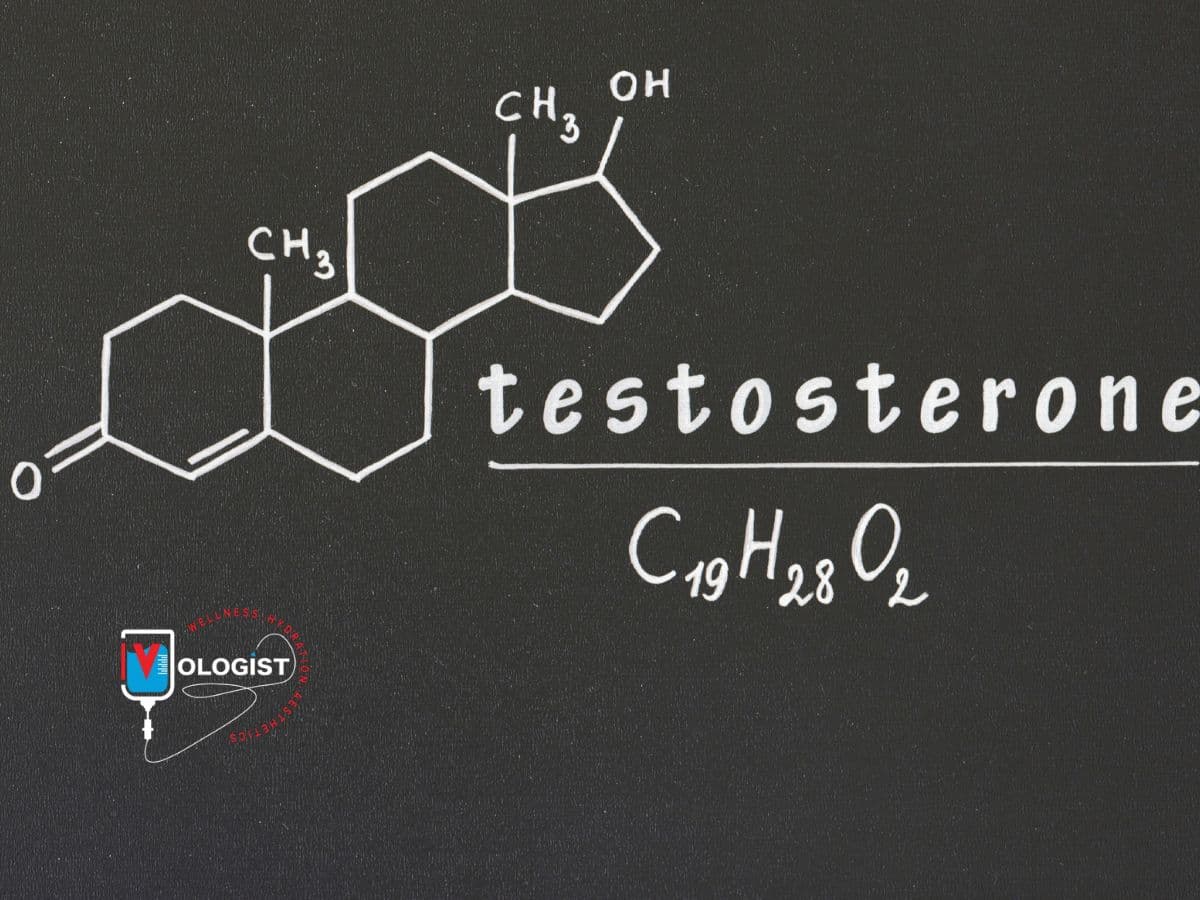
Tirzepatide Mechanism of Action

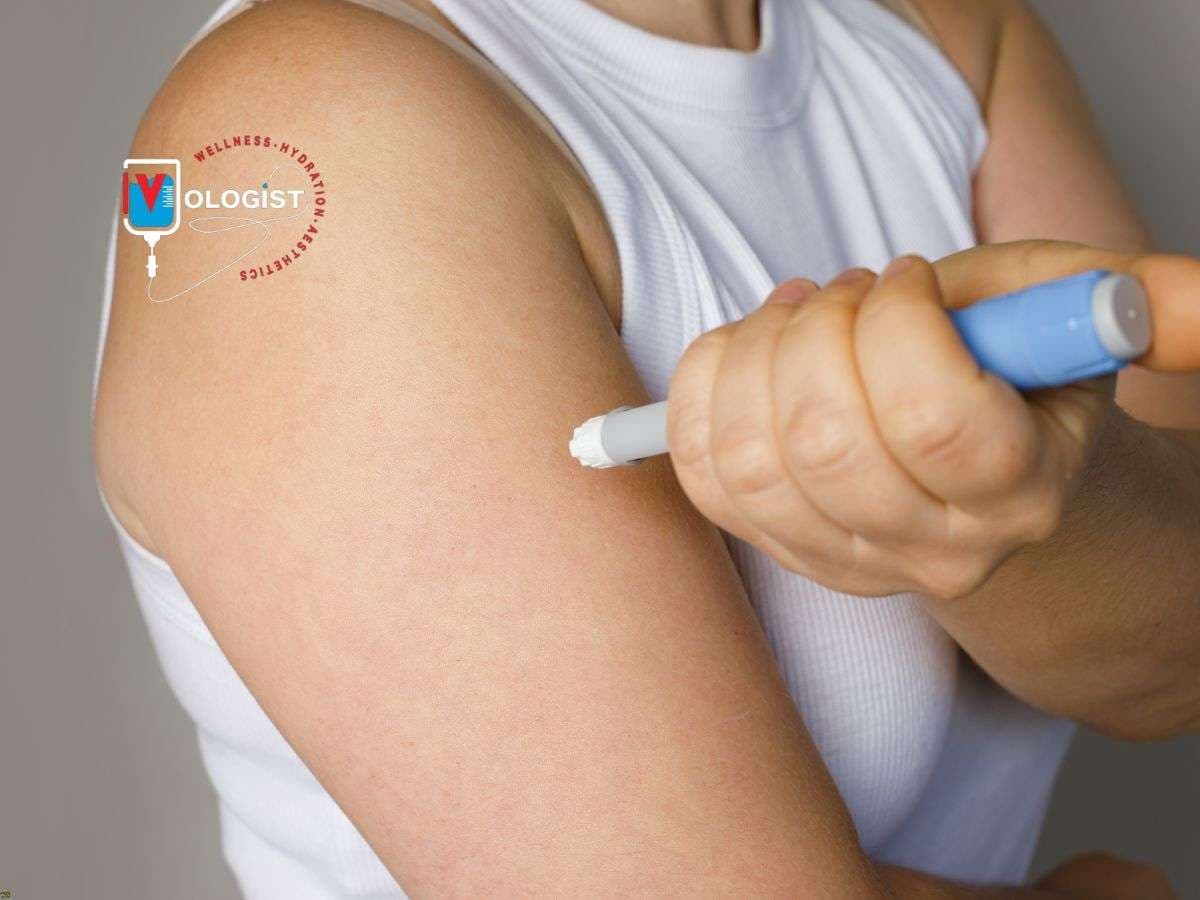
Tirzepatide Mechanism of Action illustration
Tirzepatide targets two metabolic pathways — a first in weight-loss pharmacology.
Quick Answer

Tirzepatide is a dual GIP and GLP-1 receptor agonist — the first of its kind. It targets two hormonal pathways simultaneously to suppress appetite, slow gastric emptying, and improve insulin sensitivity. Traditional weight loss methods (diet and exercise) rely on creating a calorie deficit through behavioural change, with no direct hormonal mechanism.

Tirzepatide stands out in the realm of weight loss treatments due to its unique mechanism of action. Acting as a dual glucose-dependent insulinotropic polypeptide (GIP) and glucagon-like peptide-1 (GLP-1) receptor agonist, this innovative medication operates on multiple fronts to facilitate weight loss. By engaging with these receptors, Tirzepatide not only helps regulate blood sugar levels but also exerts an appetite-suppressing effect, effectively curbing cravings and reducing overall caloric intake. This dual approach addresses the physiological factors underlying weight gain and targets the behavioral aspects of overeating, offering a comprehensive solution for individuals striving to achieve their weight loss goals.

In contrast, traditional weight loss treatments such as diet and exercise take a more straightforward approach. These time-honored methods focus on creating a calorie deficit by restricting food intake and increasing physical activity levels. By consuming fewer calories than the body expends, individuals can tip the scales in favor of weight loss, tapping into the body’s natural mechanisms for energy expenditure and fat burning. While the concept is simple in theory, the execution can be challenging, requiring discipline, commitment, and often significant lifestyle adjustments. Nevertheless, for many individuals, combining dietary modifications and regular exercise remains a cornerstone of successful weight management, offering a sustainable and accessible means of achieving lasting results.

MechanismDiet & ExerciseTirzepatide
Primary actionCalorie deficitHormonal regulation
GLP-1 receptor activationNoYes
GIP receptor activationNoYes
Effect on appetiteIndirect (behaviour)Direct (suppression)
Effect on insulin sensitivityIndirectDirect (improves)
Behavioural effort requiredHighModerate

Efficacy

Quick Answer

Tirzepatide produces an average of 15–22.5% body weight loss in clinical trials (SURMOUNT-1, NEJM 2022) compared to 5–10% typical for diet and exercise interventions. Even at the lowest 5mg dose, tirzepatide outperforms standard lifestyle programmes 3-to-1 by total percentage weight loss.

When evaluating the efficacy of weight loss treatments, Tirzepatide emerges as a formidable contender. Clinical trials have illuminated its remarkable potential, demonstrating significant weight loss outcomes compared to placebo cohorts. In fact, some participants experienced jaw-dropping reductions, with weight loss surpassing the 15% mark. This impressive efficacy underscores the transformative impact Tirzepatide can have on individuals striving to shed excess pounds and reclaim control over their health and well-being.

In contrast, traditional weight loss treatments offer a varied landscape of outcomes. While these methods have proven efficacy for many individuals, results are subject to a multitude of factors, including adherence, individual metabolism, and genetic predispositions. As such, weight loss outcomes can fluctuate widely, with some individuals achieving modest reductions while others experience more substantial transformations. On average, traditional weight loss interventions typically yield weight loss ranging from 5% to 10% of body weight, representing a meaningful improvement in health outcomes and quality of life for many individuals. However, the variability inherent in these approaches underscores the importance of personalized strategies tailored to each individual’s unique needs and circumstances.

MetricDiet & Exercise OnlyTirzepatide + Lifestyle
Avg weight loss (1 year)5–10%15–22.5% (SURMOUNT-1)
Sustained loss at 2 yearsRare (<5% maintain)Common (>60% maintain >10%)
A1c improvementModerateStrong
Blood pressure improvementModerateStrong
Time to visible results8–12 weeks4–8 weeks

Cost

Cost illustration
Cost considerations vary widely between brand-name and compounded tirzepatide options.
Quick Answer

Brand-name Zepbound (tirzepatide for weight loss) costs $800–$1,300/month without insurance. Compounded tirzepatide via providers like Ivologist costs $199–$349/month. Traditional weight loss programmes (gym, nutritionist, supplements) typically cost $50–$500/month but vary widely. Long-term cost-benefit depends on result sustainability.

When considering the financial aspect of weight loss treatments, it’s important to acknowledge the cost implications associated with each approach. Tirzepatide, with its innovative mechanism and brand status, typically commands a higher price tag than traditional weight loss treatments. This increased cost reflects the investment in research and development, the exclusivity of the medication, and its unique dual-acting properties. While Tirzepatide may offer unparalleled efficacy for some individuals, its higher price point may present a barrier to access for others, particularly those with limited financial resources.

On the other hand, traditional weight loss treatments encompass a diverse array of options, each with its own associated costs. The expenses can quickly add up from dietary supplements and meal replacement programs to gym memberships and personal training sessions. Costs vary widely depending on factors such as brand reputation, program duration, and additional services offered. While some individuals may opt for budget-friendly options or DIY approaches, others may be willing to invest more heavily in structured programs or professional guidance. Ultimately, the cost of traditional weight loss treatments is highly variable and dependent on individual preferences, goals, and financial circumstances.

In weighing the financial considerations of Tirzepatide against traditional weight loss treatments, individuals must carefully assess the value proposition of each option. While Tirzepatide may offer unparalleled efficacy for some, its higher cost may be prohibitive for others. Conversely, traditional weight loss treatments provide a range of options to suit different budgets and preferences, albeit with varying degrees of efficacy and support. By evaluating the costs and benefits of each approach, individuals can make informed decisions that align with their health goals and financial realities.

OptionTypical Monthly CostWhat's Included
Diet & Exercise Only (DIY)$0–$100Self-directed; basic food costs
Commercial Programme (WW, Noom)$25–$70App, tracking, group support
Personal Trainer + Nutritionist$200–$800Structured coaching
Brand Zepbound (no insurance)$800–$1,300FDA-approved tirzepatide
Compounded Tirzepatide (Ivologist)$199–$349Medication + medical support
Bariatric Surgery (one-time)$15,000–$25,000Surgical procedure + recovery

Sustainability

Quick Answer

Weight loss with tirzepatide is sustained as long as treatment continues; weight regain is common (50–70%) within 12 months of stopping. Traditional weight loss results depend on sustained lifestyle change — fewer than 20% maintain significant loss long-term without continued effort. Neither approach offers permanent results without ongoing commitment.

Regarding sustainability, Tirzepatide and traditional weight loss treatments present distinct considerations for individuals on their weight loss journeys. Tirzepatide promises ongoing weight loss for as long as treatment continues, providing a consistent path toward achieving and maintaining a healthier body weight. However, it’s essential to recognize that the sustainability of weight loss achieved with Tirzepatide may be contingent upon continued adherence to treatment. Discontinuation of Tirzepatide could potentially result in weight regain, highlighting the importance of ongoing medical supervision and support to maintain long-term success.

In contrast, traditional weight loss treatments often emphasize the adoption of long-term lifestyle changes, including modifications to diet and exercise habits. While these interventions can yield significant weight loss results, their sustainability hinges on the individual’s ability to maintain these changes over time. For many individuals, sustaining dietary restrictions and exercise regimens can pose significant challenges, particularly in the face of busy schedules, social pressures, and other life stressors. As a result, the sustainability of weight loss achieved through traditional methods may vary widely among individuals, with some successfully maintaining their progress while others struggle to sustain long-term adherence.

Ultimately, the sustainability of weight loss achieved with Tirzepatide versus traditional weight loss treatments depends on many factors, including individual preferences, lifestyle, and medical history. While Tirzepatide offers the advantage of consistent weight loss as long as treatment continues, traditional methods may provide a more holistic approach emphasizing lasting lifestyle changes. By carefully considering these factors and working closely with healthcare providers, individuals can choose the approach that best aligns with their goals and preferences for sustainable weight management.

Speed of Results

Speed of Results illustration
Tirzepatide typically produces visible results within 4–8 weeks, faster than lifestyle change alone.
Quick Answer

Tirzepatide produces measurable weight loss within 4–8 weeks for most patients, with significant fat loss visible by week 12–16. Traditional diet and exercise approaches typically require 8–12 weeks for visible changes and 6+ months for substantial weight loss. Tirzepatide's hormonal mechanism delivers faster results than calorie-deficit alone.

Regarding the speed of achieving weight loss goals, the timeline can vary significantly between Tirzepatide and traditional weight loss treatments. Tirzepatide has garnered attention for its ability to produce rapid and noticeable weight loss within a relatively short time frame. Clinical studies have shown that individuals may experience significant reductions in body weight within just a few months of initiating treatment with Tirzepatide. This rapid onset of weight loss can be particularly encouraging for individuals eager to see tangible results and may motivate their weight loss journey.

In contrast, traditional weight loss treatments often involve a more gradual approach to achieving results. While adherence to diet and exercise plans can yield significant weight loss over time, the process typically unfolds more slowly, with initial results appearing after several weeks of consistent effort. This gradual pace of weight loss may require patience and perseverance on the part of individuals, as visible changes may not be immediately apparent. However, the steady progress achieved through traditional methods can contribute to sustainable lifestyle changes and long-term success in managing weight.

Ultimately, the speed of achieving weight loss goals is influenced by factors such as treatment modality, individual metabolism, and adherence to prescribed regimens. While Tirzepatide may offer the advantage of rapid weight loss within a short timeframe, traditional weight loss treatments provide a more gradual but potentially sustainable approach to achieving and maintaining a healthy body weight. By considering these factors and working closely with healthcare providers, individuals can choose the approach that aligns best with their goals and preferences for achieving weight loss success.

Which approach is right for you?

The optimal weight loss intervention depends on your starting BMI, health history, previous treatment attempts, and personal preferences. The table below provides a general framework — a medical consultation is required to confirm the right approach.

Your profileMost likely appropriate approach
BMI 25–27, no comorbiditiesDiet & exercise focus + lifestyle coaching
BMI 27–30, with one comorbidityGLP-1 medication + lifestyle coaching
BMI 30–35, with comorbiditiesGLP-1 + structured programme (3–6 month)
BMI 35–40, previous programme failuresTirzepatide + GLP-1 Membership
BMI 40+, multiple comorbiditiesTirzepatide or bariatric surgery consultation
Type 2 diabetes + overweightTirzepatide (strongest metabolic benefit)

Conclusion: Tirzepatide vs Traditional Weight Loss Treatments

As you consider your options for weight loss, it’s essential to weigh the pros and cons of each approach carefully. While Tirzepatide offers the promise of significant weight loss with its innovative mechanism of action, traditional methods such as diet and exercise remain cornerstones of sustainable, long-term weight management. Ultimately, the right choice for you will depend on factors such as your health status, preferences, and lifestyle. By understanding the nuances of Tirzepatide and traditional weight loss treatments, you can confidently embark on your weight loss journey, knowing that you’ve chosen the approach that aligns best with your needs and goals.

Frequently Asked Questions

Evidence-based insights to support your wellness journey