Hashimoto's and GLP-1
Microdosing

9 min read
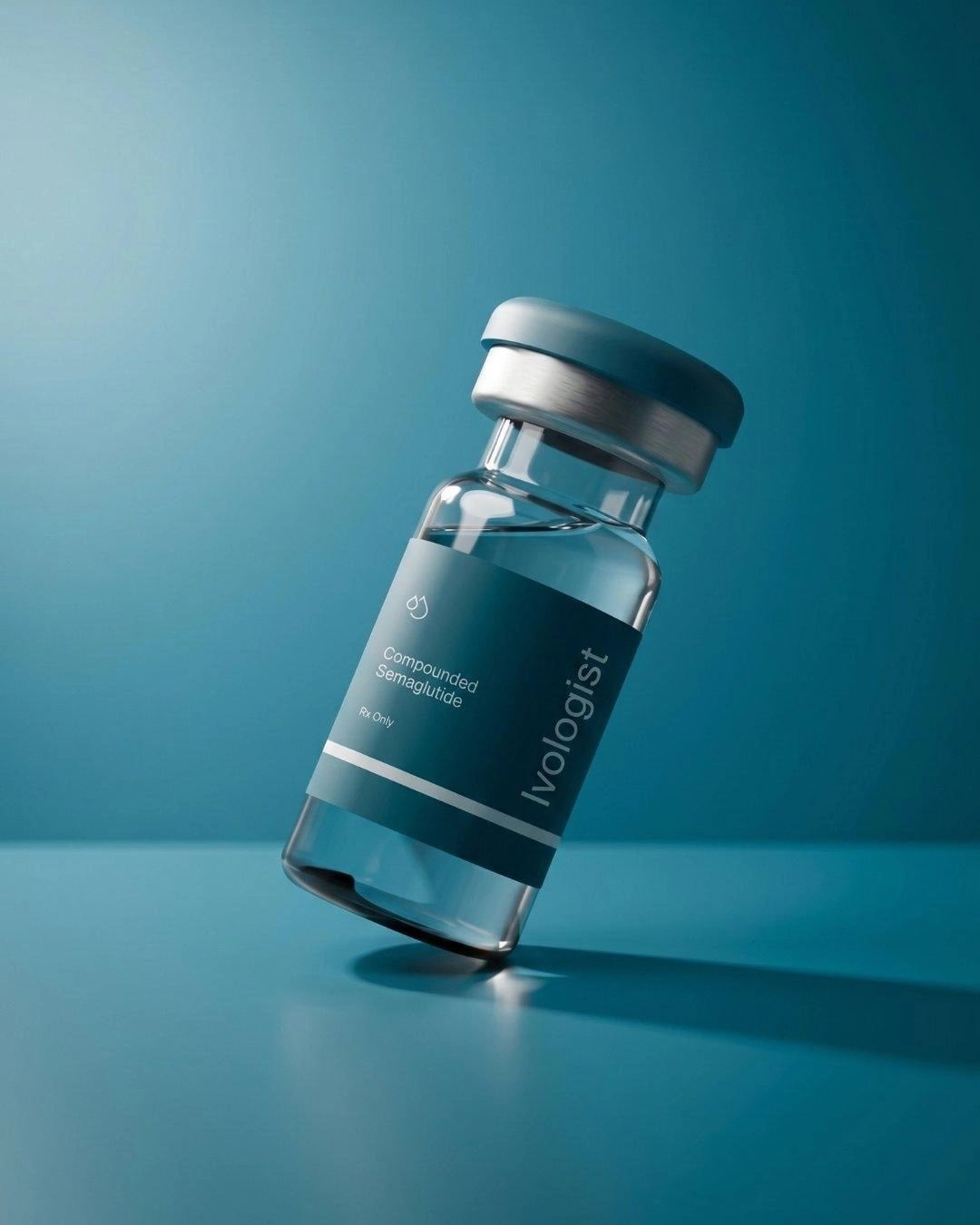
Hero image for the blog post

Hashimoto's and GLP-1 Microdosing

GLP-1 microdosing for Hashimoto's is a "low and slow" protocol that uses fractional doses of GLP-1 receptor agonists to reduce metabolic inflammation without triggering acute immune responses. For patients with autoimmune thyroid disease, this distinction matters more than most clinicians recognize.

If you have Hashimoto's and you've noticed:

  • Your weight won't move despite doing everything right
  • Your energy feels rationed, not restored
  • You tried GLP-1 therapy and felt worse, not better
  • Exercise makes your symptoms flare rather than improve

At Ivologist, we see this pattern regularly. The medication isn't wrong. The protocol is.

What Is Metaflammation and Why Does It Matter for Hashimoto's?

What Is Metaflammation and Why Does It Matter for Hashimoto's? illustration

Metaflammation is chronic, low-grade inflammation that operates at the cellular level, disrupting energy production, impairing insulin signaling, and slowing mitochondrial function. In Hashimoto's patients, this baseline inflammatory state is already elevated due to the autoimmune attack on the thyroid gland.

When metaflammation compounds with autoimmune inflammation, the body enters a state where cellular energy systems are fundamentally compromised. Mitochondria slow down. Insulin receptors become less responsive. Fat oxidation decreases. The result is a metabolic environment that resists weight loss at every level, not because of willpower, but because of biology.

This is why standard approaches to weight loss so often fail for Hashimoto's patients. The problem isn't calories in versus calories out. The problem is an immune system that's already running at capacity.


Why Standard GLP-1 Protocols Can Backfire with Hashimoto's

Why Standard GLP-1 Protocols Can Backfire with Hashimoto's illustration

Standard GLP-1 protocols use rapid dose escalation to reach therapeutic levels quickly. For most patients, this works. For autoimmune patients, particularly those with Hashimoto's, this approach can trigger acute inflammatory responses that worsen the very symptoms the medication is meant to address.

Rapid introduction of GLP-1 receptor agonists at standard doses can provoke nausea, GI distress, and fatigue that go beyond typical side effects. In an autoimmune context, these responses can cascade into thyroid flares, increased antibody activity, and deepened fatigue that takes weeks to recover from.

For a deeper look at why dose escalation creates problems long-term, read our post on why higher GLP-1 doses don't always produce better long-term results.

How Microdosing Changes the Approach

How Microdosing Changes the Approach illustration

GLP-1 microdosing uses fractional doses that are gradually increased over a longer timeline. The goal is regulation over stimulation. Instead of forcing a metabolic shift, microdosing works with the body's existing systems to restore balance incrementally.

This approach preserves gut tolerance, reduces the likelihood of immune flares, and gently restores insulin sensitivity without overwhelming a system that is already under autoimmune stress. For a comprehensive overview of the microdosing approach, see our GLP-1 microdosing weight management guide.

Clinical Insight from Ivologist

At Ivologist, we've found that Hashimoto's patients who begin with microdosing protocols consistently report fewer side effects, better energy stability, and more sustainable progress than those who start at standard doses. The key difference isn't the medication. It's the pacing.

What Microdosing for Hashimoto's Actually Looks Like

What Microdosing for Hashimoto's Actually Looks Like illustration

A microdosing protocol for Hashimoto's typically starts at a fraction of the standard starting dose and increases slowly based on tolerance and response. The timeline is longer than conventional protocols, but the outcomes are more durable because the body isn't fighting the treatment.

Alongside the medication, the protocol includes foundational support:

  • Protein intake of 0.7-1g per pound of body weight to preserve lean mass
  • Consistent sleep hygiene to support thyroid and cortisol regulation
  • Breathwork practices to reduce systemic stress and support parasympathetic tone
  • Moderate resistance training to build metabolically active tissue without triggering flares

These aren't optional add-ons. For Hashimoto's patients, they're essential components of a protocol that works with autoimmune biology rather than against it.

Frequently Asked Questions

Is GLP-1 therapy safe for patients with Hashimoto's?

GLP-1 therapy can be appropriate for Hashimoto's patients when the protocol accounts for autoimmune sensitivity. Microdosing reduces the risk of immune flares by introducing the medication gradually, allowing the body to adapt without triggering acute inflammatory responses.

Will GLP-1 medication interfere with my thyroid medication?

GLP-1 receptor agonists work through a different mechanism than thyroid hormone replacement. However, GLP-1 medications can slow gastric emptying, which may affect the absorption timing of oral thyroid medications. Your clinician should coordinate the timing of both medications.

How long does it take to see results with microdosing?

Most Hashimoto's patients on microdosing protocols begin noticing improvements in energy and appetite regulation within 4-6 weeks. Measurable changes in weight and body composition typically follow within 8-12 weeks. The timeline is longer than standard protocols, but the results are more sustainable.

Can I use GLP-1 microdosing if I had a bad experience with standard GLP-1 therapy before?

Yes. Many Ivologist patients with Hashimoto's come to us after struggling with standard protocols. Microdosing starts at a significantly lower dose and increases more slowly, which substantially reduces the side effects that made previous attempts difficult.

If you have Hashimoto's and you've been told GLP-1 therapy isn't for you, or if you tried it and it made things worse, the issue may not be the medication. It may be the approach. Start with our overview of what GLP-1 microdosing is.

This article is for informational purposes only and does not constitute medical advice. Always consult a qualified healthcare provider before starting any new treatment or supplement program.

Evidence-based insights to support your wellness journey