
Yes, poor sleep can stop weight loss, and it does it at the hormonal level rather than the willpower level. A short night raises cortisol, drops leptin, raises ghrelin, and reduces insulin sensitivity, which leaves your body primed to store fat and ask for more food. If you're eating well and training consistently and the scale still won't move, sleep is one of the first places worth looking.
What poor sleep actually does to your metabolism
Sleep deprivation elevates cortisol, and cortisol is the hinge everything else turns on. It drives blood sugar dysregulation, encourages visceral fat storage, and suppresses the anabolic hormones your body uses to build and hold lean mass.
Growth hormone and testosterone are secreted mostly during deep sleep. When deep sleep is short or fragmented, both fall. That accelerates the lean muscle loss that slows metabolism, which makes weight management harder every year it continues. In men, this stacks on top of an age-related decline that's already underway, and our post on understanding low testosterone symptoms covers what that looks like clinically.
| What's happening | Short sleep (under 7 hours) | Adequate sleep (7 to 9 hours) |
|---|---|---|
| Cortisol | Elevated, and slower to clear | Clears overnight during deep sleep |
| Leptin (fullness signal) | Drops | Maintained |
| Ghrelin (hunger signal) | Rises | Maintained |
| Insulin sensitivity | Declines measurably within days | Preserved |
| Growth hormone and testosterone | Suppressed | Secreted during deep sleep |
| Practical result | Hungrier, especially for carbohydrates | Appetite tracks actual need |
Why you keep waking at 2 or 3 AM
That wake-up is almost always a blood sugar crash, not a primary sleep disorder. When glucose drops overnight, cortisol spikes to bring it back up, and the spike is what wakes you. Your mind races afterward because your body is sitting in a stress state, not because you have something on your mind.
This is why melatonin and blackout curtains don't touch it. The fix is overnight blood sugar stability: enough protein at dinner, and no refined carbohydrates in the evening to set up the spike and crash in the first place.

How inflammation breaks up your deep sleep
Chronic metabolic inflammation interferes with slow-wave sleep directly. Pro-inflammatory cytokines disrupt the stage where the most meaningful hormonal restoration happens, which is why some patients log eight or nine hours and still wake unrestored.
Slow-wave sleep is where growth hormone is secreted, where muscle repair happens, and where yesterday's cortisol gets cleared. When inflammation cuts that stage short, you start the next day still carrying the previous day's load. Visceral fat makes this worse, because it produces inflammatory compounds of its own. That's the loop: inflammation degrades sleep, degraded sleep raises cortisol, and cortisol adds visceral fat.
Sleeping badly and stalling on the scale at the same time?
A licensed clinician looks at both together, because they're usually the same problem.
Take the assessment
Signs your sleep and your weight are the same problem
Patients rarely arrive describing a sleep problem and a weight problem separately. They describe one situation that has both in it, and the pattern is consistent enough to be worth naming.
Common signs include:
- You're doing the diet and the training properly, and the scale doesn't move.
- You wake up exhausted no matter how many hours you were in bed.
- You're hungry all morning, specifically for carbohydrates, even after a full dinner.
- You wake at 2 or 3 AM and can't get back down.
- Sleep quality dropped off around the same time the weight started going on, often in your forties.
- Melatonin, sleep aids, and sleep hygiene protocols helped for a week and then stopped.
None of those are separate complaints. They're one metabolic picture showing up in several places, which also means improving one side tends to improve the other without a second intervention.
How to rebuild sleep while you're still losing weight
Sleep that's being disrupted by metabolic dysfunction responds to metabolic inputs. You're working on three things at once here: overnight blood sugar stability, cortisol load, and inflammation.
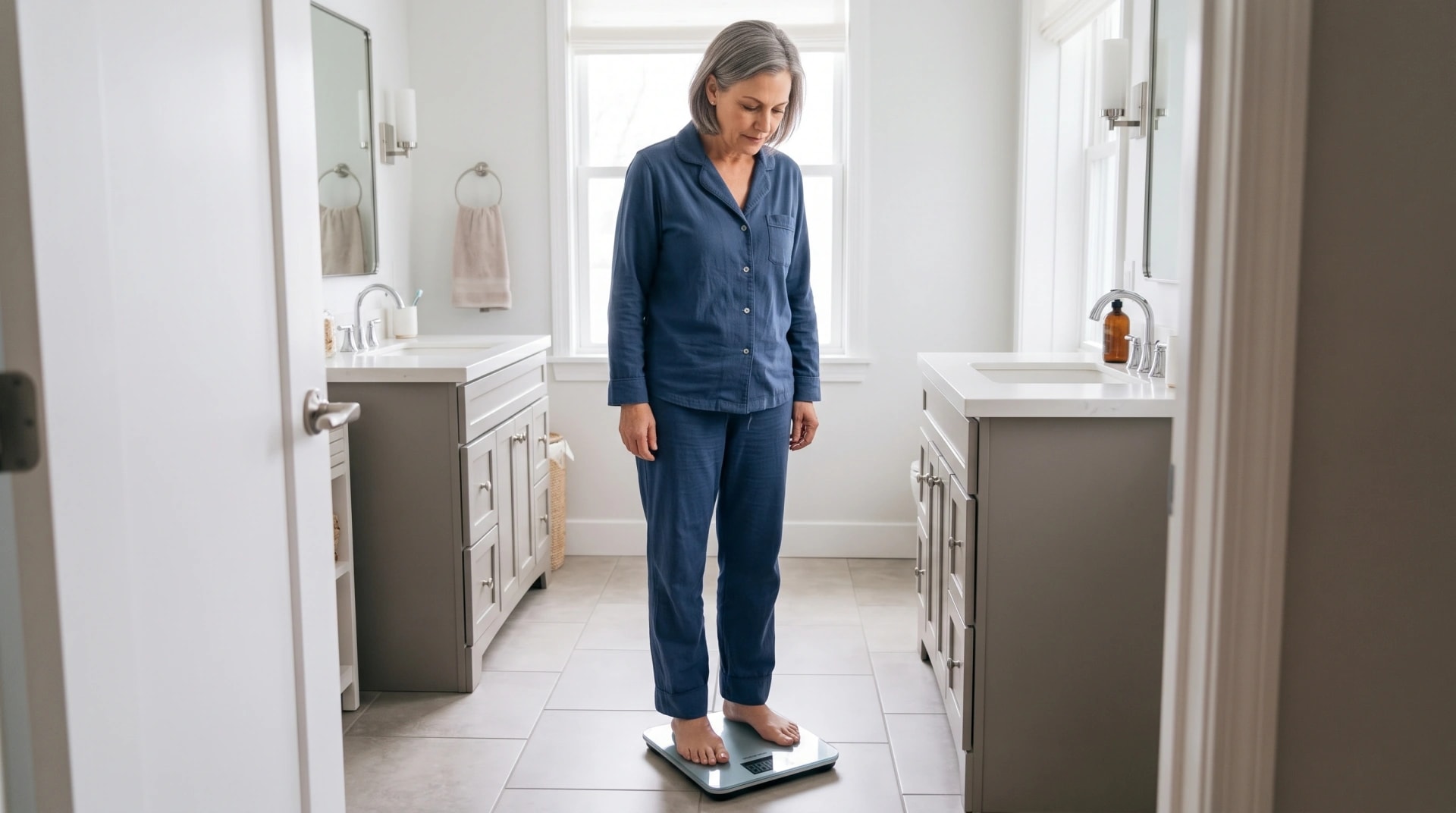
Where to start:
- Put real protein in your dinner. A protein-rich evening meal stabilizes overnight glucose and reduces the drop that triggers the 3 AM cortisol spike.
- Stop refined carbohydrates after about 6 PM. They produce a fast rise and a matching fall, and overnight that fall is what wakes you.
- Keep your wake time fixed. Your cortisol and melatonin patterns anchor to when you get up, so the wake time is the lever, not the bedtime.
- Move resistance training to the morning or afternoon. Training still helps your sleep. It just has to happen before your cortisol is supposed to be falling.
- Give your evening a wind down. Low light and low stimulation for the last hour lets the cortisol curve come down on schedule.
- Fix the inflammation underneath. If insulin resistance is significant, clinician-guided metabolic support addresses the cause rather than the symptom.
If stress is the bigger driver for you, our guide on why stress causes belly fat covers the cortisol side in more detail.
Where GLP-1 microdosing fits
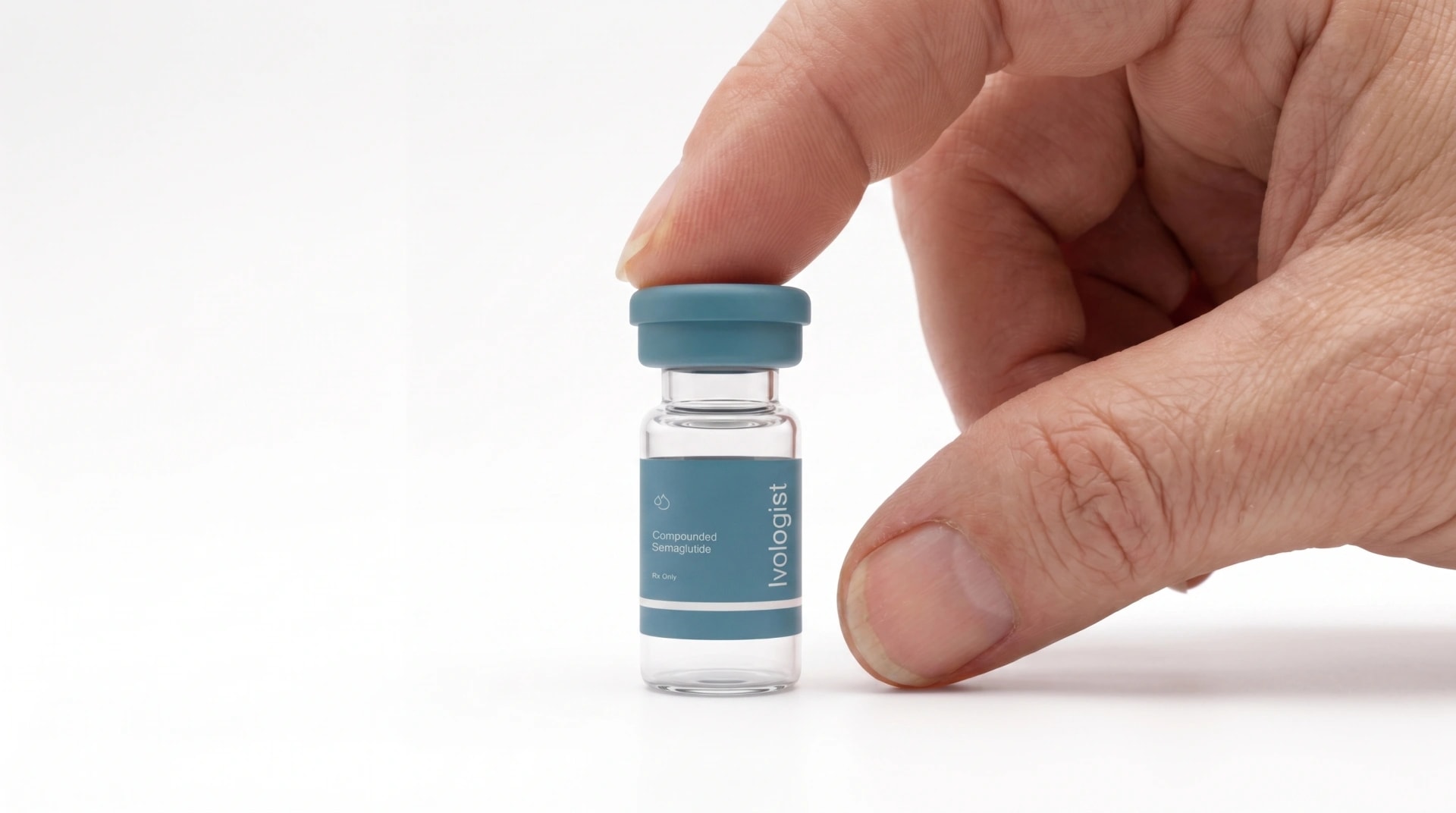
GLP-1 microdosing supports sleep indirectly, by stabilizing blood sugar and reducing the inflammatory load that drives cortisol. It's not a sleep medication, and it shouldn't be described as one.
It's worth knowing that standard high-dose GLP-1 protocols can make sleep worse in the first few weeks. Nausea, GI distress, and the acute stress response a big dose provokes are all real physiological stressors, and physiological stress raises cortisol. Lower, gentler dosing avoids introducing that new stressor while the underlying metabolic problem is being corrected. Our overview of what GLP-1 microdosing is explains how it differs from the conventional approach.
Frequently Asked Questions
Where to go from here

Poor sleep and stalled weight loss aren't two problems that happen to overlap. They're one metabolic disruption showing up in two places, and treating them together is what actually breaks the cycle. Ivologist runs metabolic care as a clinician-guided program that looks at cortisol, insulin sensitivity, and sleep as one system.
Start the 2-minute assessment and a licensed clinician will review your information and recommend a starting plan.
Medical disclaimer. This article is for informational purposes only and does not constitute medical advice. GLP-1 medications are prescription-only and require evaluation by a licensed medical provider. Compounded medications are not FDA-approved. Results vary. Always consult a qualified healthcare provider before starting, changing, or stopping any treatment.