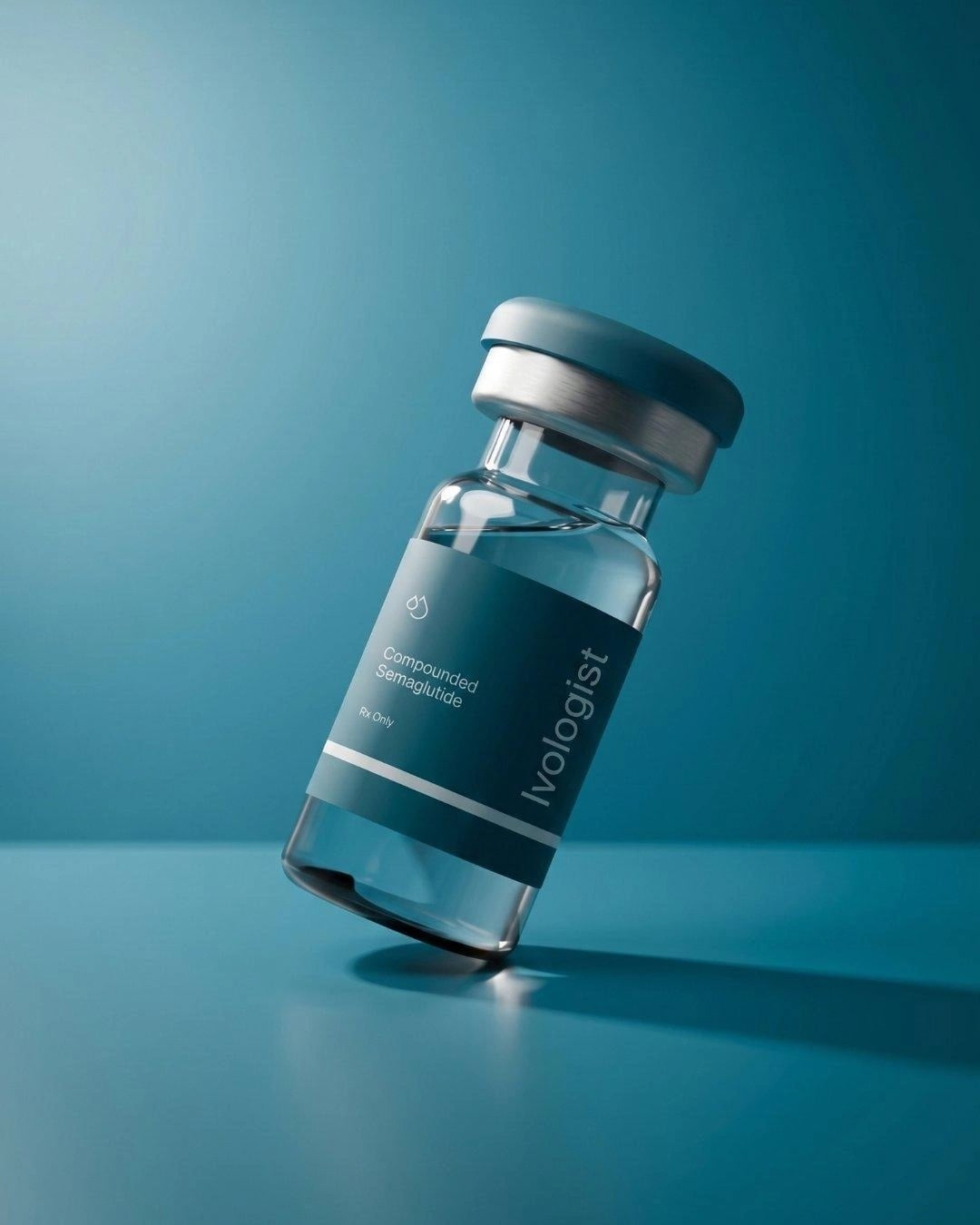
If you're pricing out weight loss injections, the answer you'll get depends almost entirely on which product you're asking about. The gap between a brand-name pen and a compounded vial is large enough to change whether treatment is realistic for you at all. Here's what each option actually costs, what sits underneath those numbers, and which extras tend to show up later.
How much do weight loss injections cost?
| Injection | Typical price per month | Notes |
|---|---|---|
| Tirzepatide (brand-name) | $1,000 to $1,300 | Varies with dose and treatment plan |
| Wegovy | $1,200 to $1,500 | Fluctuates with your dosage requirement |
| Saxenda | $1,200 to $1,400 | Daily injection rather than weekly |
| Brand-name semaglutide (Ozempic / Wegovy), commonly quoted range | $800 to $1,300 | Depends heavily on pharmacy and any manufacturer savings program |
| Compounded semaglutide | $199 to $349 | Prepared by a licensed compounding pharmacy, not FDA-approved |
You'll see different numbers quoted in different places, and that isn't a sign someone's being dishonest. Cash prices for these drugs genuinely vary by provider, pharmacy, and region. Treat any published range as a starting point and ask your provider for a written monthly figure before you commit.
Why the price range is so wide
The biggest driver is whether you're buying a manufacturer's finished product or a compounded preparation. Brand-name pens carry the cost of clinical trials, FDA approval, manufacturing, and distribution. Compounded semaglutide uses the same active ingredient but is prepared to order by a licensed compounding pharmacy, which is why it costs a fraction as much.
That price difference comes with a real trade-off. Compounded medications aren't FDA-approved, so consistency depends on the standards of the pharmacy filling your prescription rather than on federal review. The pharmacy your provider works with matters as much as the number on the invoice.

What's actually included in the price
A monthly medication price isn't the same as a monthly program price, and this is where most people get caught out. Some providers quote the drug alone. Others bundle the clinician visit, dose adjustments, and messaging support into one number.
Before you compare two quotes, make sure they cover the same things. A $199 vial with a $150 consultation fee and separate lab billing isn't cheaper than a $299 all-in program.
Want to know what this would cost for you specifically?
A licensed clinician reviews your history and quotes a monthly plan with the price up front.
See if you qualify
Insurance, dosage, and the costs people forget
Four things move your final number more than anything else: where you live, what your insurance covers, what dose you end up on, and which services get billed separately. Geographic location alone can shift pricing meaningfully, since local healthcare costs feed straight into what a clinic charges.
Insurance is the least predictable of the four. Some plans cover part of the cost of a brand-name injection, and coverage is more common when the prescription is for diabetes than for weight management. Compounded medications typically aren't covered. Call your plan and ask about your specific drug before you assume either way.
Common additional costs include:
- Initial consultation fee, if it isn't bundled into the program
- Follow-up appointments during titration, when your dose is being adjusted
- Baseline and periodic lab work
- Higher monthly cost as your dose steps up, since larger doses generally cost more
- Syringes, needles, and a sharps container, if your provider doesn't supply them
What you're paying for beyond the drug
Weight loss injections in the GLP-1 class work by mimicking a hormone that signals fullness to the brain, which reduces how much you eat without you having to fight for it. They're a tool inside a broader plan rather than a replacement for one, and results build over weeks and months instead of arriving quickly.
That's the part worth paying for. Dosing decisions, side effect management, and knowing when to hold a dose instead of climbing are what separate a prescription from a program. Nausea, digestive issues, and injection site reactions are the commonly reported side effects, and they're usually mild and temporary when someone is watching the schedule with you.

What a well-run program should include:
- A real intake that reviews your medical history and current medications
- A titration schedule with clear guidance on when to move up and when to hold
- A way to reach a clinician when side effects show up
- Periodic review of whether the dose is still the right one
- A plan for what maintenance looks like once you reach your goal
Is the cost worth it?
That depends on what you've already tried and what the alternative looks like for you. These medications exist for people who haven't been able to reach or hold a healthy weight through diet and exercise alone, and for that group they're a genuinely different tool rather than a more expensive version of the same advice.
What they aren't is a short course. Budget for the medication as an ongoing monthly cost rather than a one-time expense, because appetite regulation stops when the medication does. If the compounded route makes a year of treatment affordable where a brand-name pen wouldn't, that's a reasonable thing to factor into the decision alongside the FDA-approval difference.

Frequently Asked Questions
Where to go from here
The honest version of this answer is that the price depends on which medication you're on, what dose you settle at, and what your provider includes. Ivologist runs GLP-1 therapy as a clinician-guided program with transparent pricing and licensed compounding pharmacies, so the monthly number is clear before you start rather than after.
Start the 2-minute assessment and a licensed clinician will review your information and recommend a starting plan. If you're still deciding whether injections are right for you, our guide on what weight loss injections are and how they work covers the mechanism, and our compounded semaglutide dosage chart shows how the schedule steps up. For help comparing providers, see what to look for in an online weight loss program.
Medical disclaimer. This article is for informational purposes only and does not constitute medical advice. GLP-1 medications are prescription-only and require evaluation by a licensed medical provider. Compounded medications are not FDA-approved. Results vary. Always consult a qualified healthcare provider before starting, changing, or stopping any treatment.