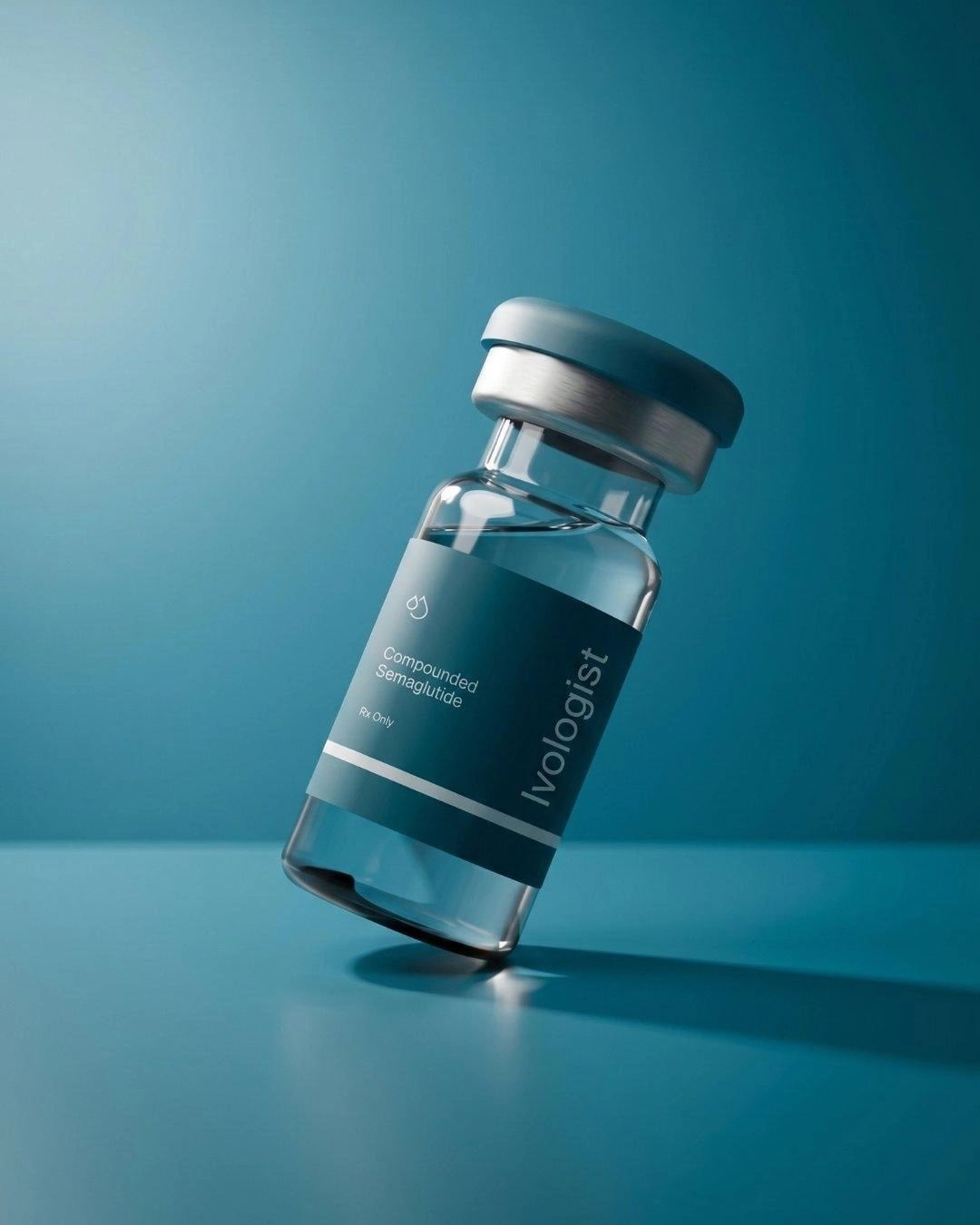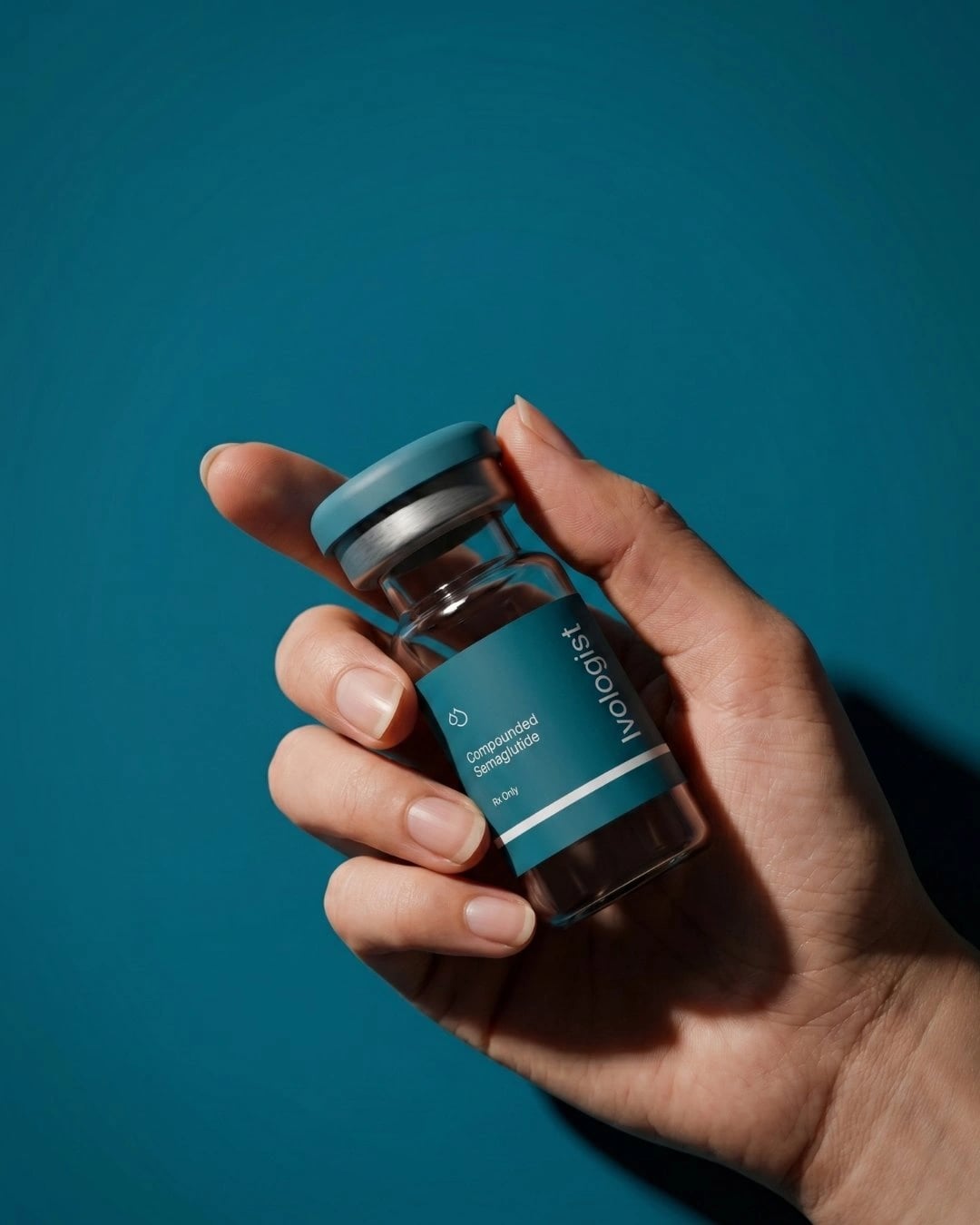
Prevent Muscle Loss on GLP-1:
The Protein Anchor

9 min read
Hero image for the blog post

How Do You Prevent Muscle Loss on GLP-1 Medications? The Protein Anchor: Why It Works

Preventing muscle loss on GLP-1 medications requires two things: adequate daily protein intake (0.6 to 0.8 grams per pound of body weight) and consistent resistance training. Protein gives your body a reason to preserve muscle tissue during a caloric deficit. Lifting weights gives your muscles the stimulus they need to stay active and functional.

If you've ever felt like:

  • You're losing weight but feeling weaker, not stronger
  • Your clothes fit differently but your energy hasn't improved
  • You're eating almost nothing on GLP-1 therapy and aren't sure if that's a problem
  • The scale is moving but something feels off about how you look and feel

Those are often the signs that you're losing muscle alongside fat.

At Ivologist, we see this pattern constantly. Patients come in having lost significant weight on GLP-1 medications and then wonder why their metabolism feels slower, not faster. In most cases, the answer is muscle loss. The medication worked. But no one anchored the weight loss with protein.

Why Rapid Weight Loss on GLP-1s Can Backfire
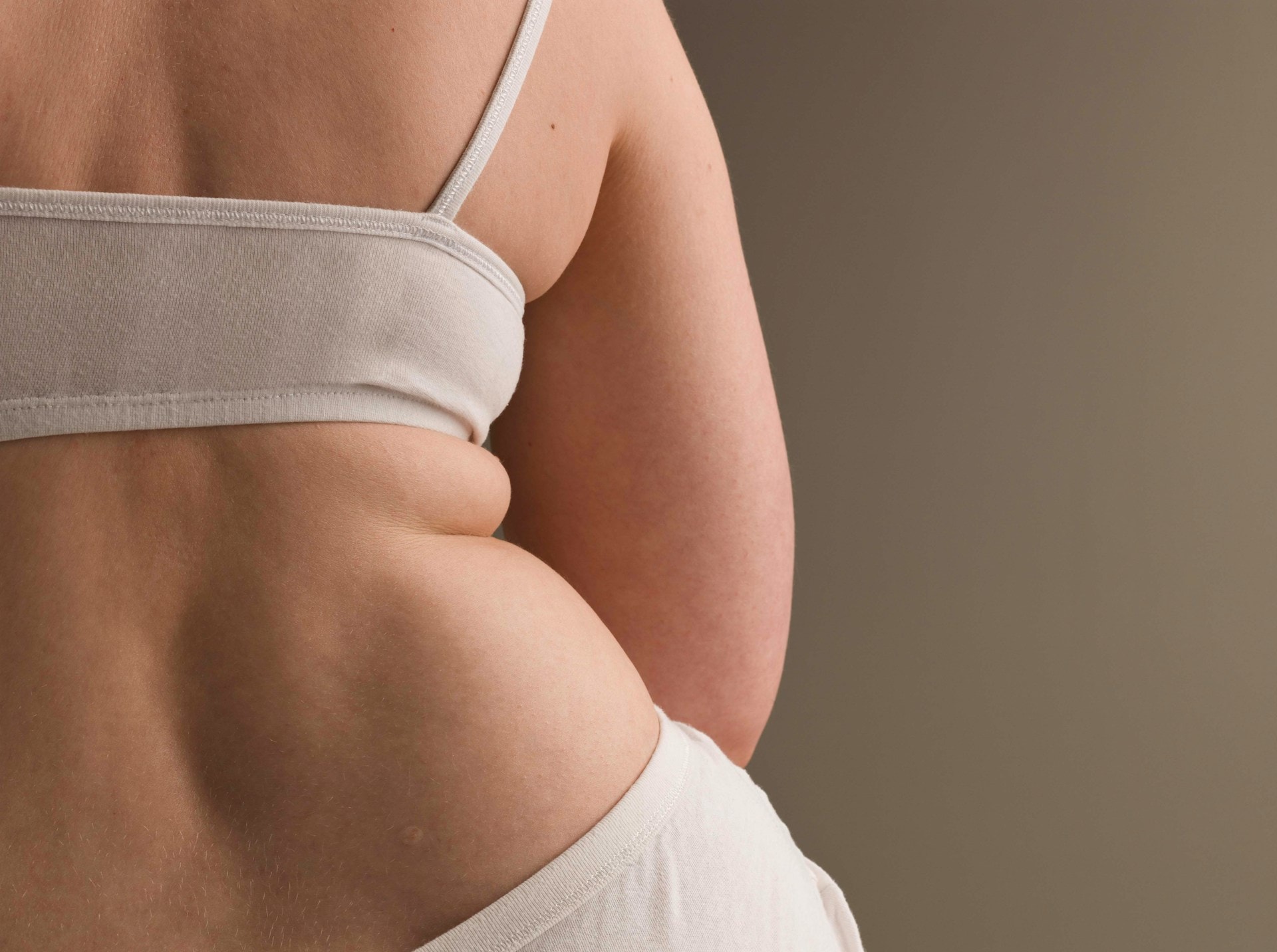
Why Rapid Weight Loss on GLP-1s Can Backfire illustration

When you lose weight quickly without adequate protein, your body breaks down muscle tissue for fuel. This is called muscle catabolism, and it's especially common on high-dose GLP-1 protocols that suppress appetite so aggressively that patients stop eating enough to sustain lean mass.

GLP-1 medications do exactly what they're designed to do: reduce food noise and appetite. The problem is that significant appetite suppression can push intake so low that the body doesn't get the building blocks it needs to preserve muscle.

Your body doesn't store protein the way it stores fat. It has no reserve. When caloric intake drops sharply and protein is insufficient, the body starts breaking down muscle tissue. That muscle is metabolically active. It burns calories at rest. When it's gone, your resting metabolic rate drops with it.

The nausea from standard high-dose protocols compounds this problem. If you're fighting nausea after every injection, you're not reaching for chicken or eggs. You're reaching for crackers. Or nothing at all. This is how standard GLP-1 protocols unintentionally set patients up for muscle wasting.

The Protein Anchor: Why It Works

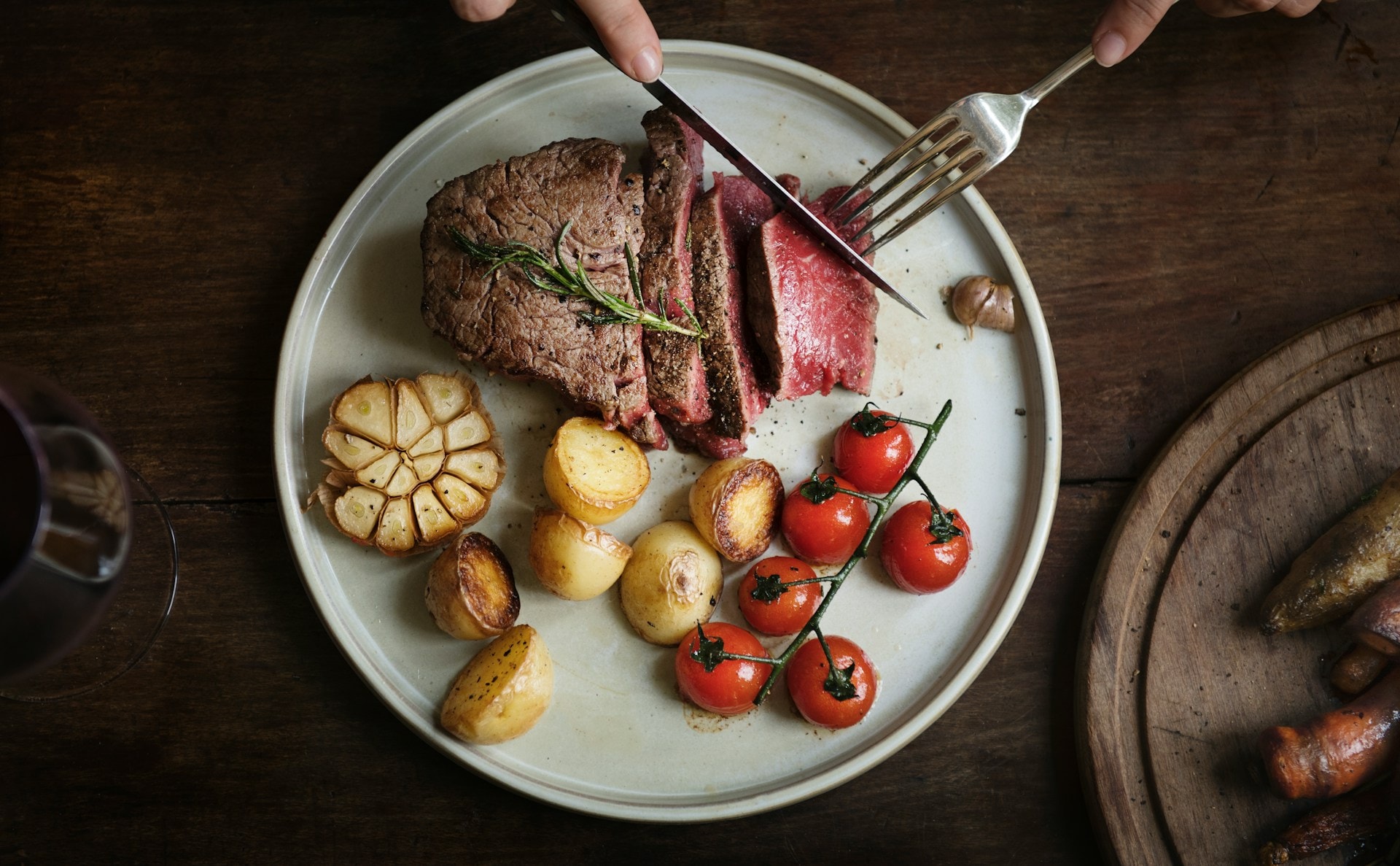
The Protein Anchor: Why It Works illustration

Protein anchors weight loss by signaling to your body that muscle is essential and should not be broken down for fuel. It's the single most important dietary variable for protecting lean mass during a caloric deficit.

Here's why protein specifically:

It stimulates muscle protein synthesis. Amino acids from dietary protein directly trigger the process of building and repairing muscle tissue. Without adequate intake, synthesis slows and breakdown increases.

It keeps you satiated without GLP-1 reliance. Protein is the most satiating macronutrient. When it anchors your meals, hunger stays manageable and you're less likely to graze on low-quality foods.

It stabilizes blood sugar. Protein slows glucose absorption, which reduces the blood sugar spikes and crashes that drive cortisol and cravings.

The target: 0.6 to 0.8 grams of protein per pound of body weight daily. If you weigh 170 pounds, that's roughly 100 to 136 grams per day. Bookend your day: protein at breakfast to stabilize morning blood sugar, protein at dinner to support overnight repair.

Whole food sources first: eggs, lean beef, chicken, fish, Greek yogurt, legumes. Protein shakes as a supplement when you're struggling to hit targets through food alone, not as a replacement for real meals.

Clinical Insight from Ivologist

At Ivologist, we frequently see patients who:

  • Were never told about protein targets when they started GLP-1 therapy
  • Ate very little for months, lost weight quickly, and then hit a plateau that didn't respond to further restriction
  • Described feeling "thin but tired" rather than lean and energized

In almost every case, lab work and body composition analysis showed the same thing: inadequate lean mass and a resting metabolic rate lower than it should be for their weight. Addressing protein intake, combined with resistance training, consistently reversed this pattern.

How Microdosing Protects Your Ability to Eat

How Microdosing Protects Your Ability to Eat illustration

Standard GLP-1 protocols often produce nausea severe enough to make eating high-protein foods impossible. Microdosing minimizes this side effect, allowing patients to maintain the nutrition their muscles need throughout treatment.

This is one of the most practical reasons microdosing matters for muscle preservation. It's not just about comfort. It's about whether you can actually eat the foods that protect your lean mass.

A patient dealing with daily nausea isn't choosing chicken and broccoli. They're surviving on bland, low-protein foods that don't disrupt their stomach. Weeks of this leads to exactly the muscle wasting that undermines the whole point of the treatment.

For more on why microdosing produces better long-term outcomes than standard escalation, read our post on why microdosing GLP-1 is transforming metabolic care. Most patients find they can hit their protein targets throughout treatment without fighting nausea, which is what makes the body composition results stick.

Resistance Training: The Other Half of the Equation

Resistance Training: The Other Half of the Equation illustration

Protein tells your body to preserve muscle. Resistance training tells your body to use it. Both are required. Without the physical stimulus of lifting weights, even optimal protein intake won't fully prevent the muscle loss that accompanies significant caloric restriction.

You don't need an aggressive program. Two to three sessions per week of compound movements, including squats, rows, deadlifts, and presses, is sufficient to maintain and build lean mass during GLP-1 therapy. For more on how to maximize your results on GLP-1 therapy with the right lifestyle foundations, see our guide on tips to maximize your semaglutide results.

Frequently Asked Questions

How much protein should I eat on semaglutide or tirzepatide?

Target 0.6 to 0.8 grams per pound of body weight daily. For a 160-pound person, that's 96 to 128 grams per day. Distribute this across meals rather than concentrating it in one sitting. Your body can only synthesize so much protein at once.

Can I use protein shakes on GLP-1 therapy?

Yes, and they can be genuinely useful when nausea or low appetite makes hitting your targets through whole foods difficult. They work best as a supplement to real meals, not a replacement.

Does the type of protein matter?

Animal proteins, including eggs, meat, fish, and dairy, contain all essential amino acids and have the highest muscle protein synthesis response. Plant proteins can also contribute but often require higher quantities and better pairing to achieve the same effect.

What if I can't hit my protein targets because of nausea?

This is a sign that your current protocol may not be right for your body. Persistent nausea that prevents adequate nutrition is a reason to revisit your dosing, not push through. Ivologist's microdosing approach specifically addresses this by keeping doses low enough to maintain normal eating function throughout treatment.

Weight loss on GLP-1 therapy isn't just about the number on the scale. It's about what that number is made of. Protecting your muscle mass is what makes the results last and what determines how you feel in the body you're building.

Ready to start GLP-1 therapy the right way, or adjust a protocol that isn't working? Start with our overview of what GLP-1 microdosing is and how it protects your results long term.

This article is for informational purposes only and does not constitute medical advice. Always consult a qualified healthcare provider before starting any new treatment or supplement program.

Evidence-based insights to support your wellness journey