Longevity Isn’t About the Future. It’s About Not
Missing Your Life Right Now

7 min read
Hero image for the blog post

Longevity health is often framed as something that happens later.

A future outcome. A distant goal. A long-term plan. In practice, longevity is shaped in the present. It shows up in how consistently the body can support daily life, not just how it performs on paper or in labs.

When energy levels, recovery, and regulation are supported appropriately, people tend to stay engaged with their lives as they’re happening. When those systems are strained, life can start to feel smaller, even if nothing obvious feels clinically “wrong.”

In modern preventive health care, this difference matters.

Longevity Is Built on Daily Capacity and Energy

Longevity Is Built on Daily Capacity and Energy illustration

Longevity isn’t only about lifespan. It’s about capacity.

The ability to:

  • Make plans without hesitation
  • Stay present through the day without constant fatigue
  • Engage socially without needing extended recovery afterward
  • Maintain routines without feeling depleted

When daily capacity is limited, people often start adjusting their lives around how they feel. Plans get delayed. Social time gets shortened. Energy gets rationed.

Over time, that pattern can quietly become normal

From a longevity health perspective, these shifts are important signals.
Why Low Energy Often Goes Unaddressed

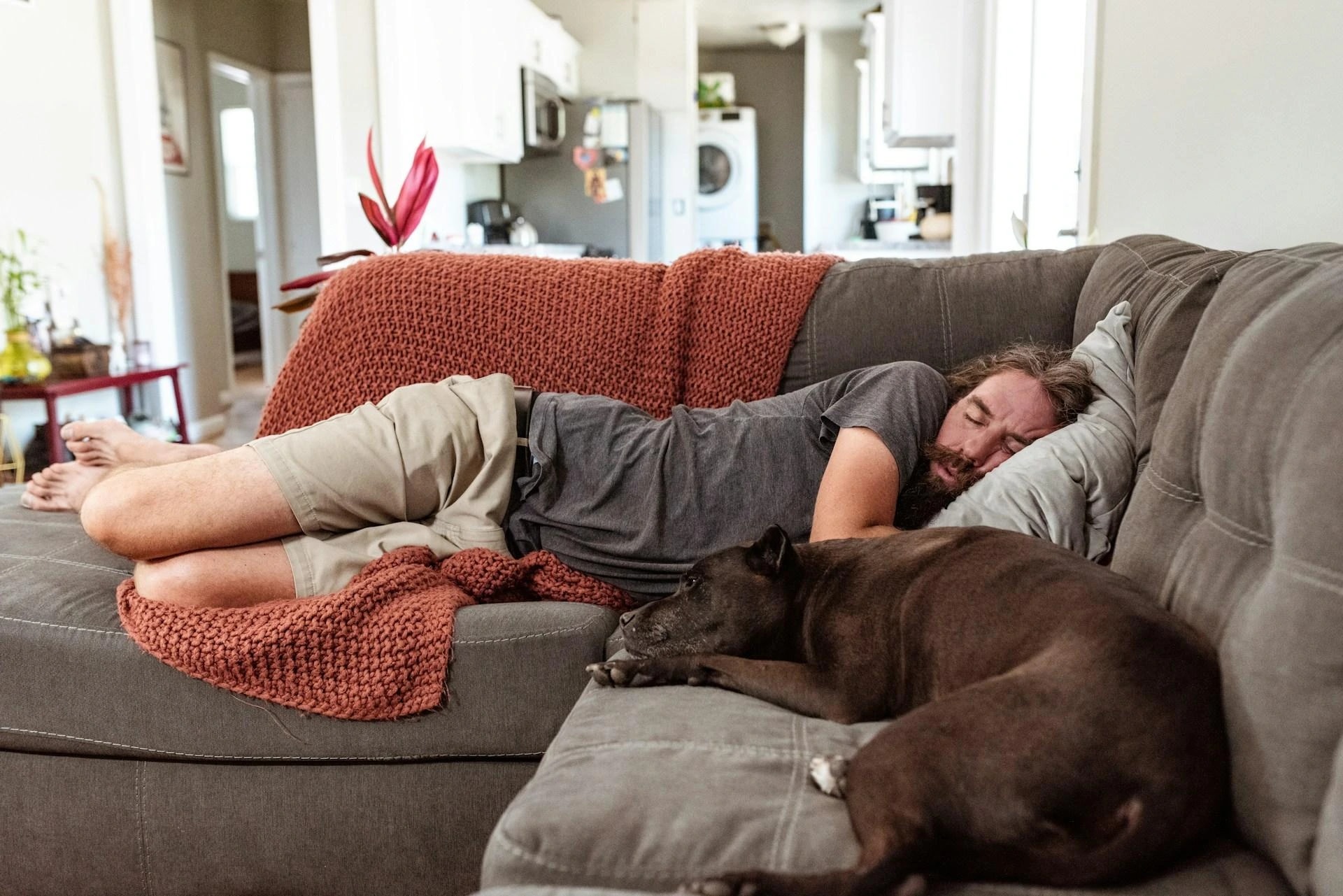
Why Low Energy Often Goes Unaddressed illustration

Low or inconsistent energy doesn’t always look like exhaustion.

It often shows up as reduced tolerance, slower recovery, or a constant sense of effort throughout the day.

Because these changes tend to happen gradually, they’re frequently attributed to stress, age, or lifestyle alone. Many people assume this is simply how life feels now.

As a result, the focus often turns toward pushing through rather than supporting the underlying systems responsible for metabolic and hormonal regulation.

That approach rarely restores long-term capacity.

Longevity Requires Support, Not Pressure

Longevity Requires Support, Not Pressure illustration

The body doesn’t respond well to constant strain.

Energy isn’t generated through willpower alone. It’s influenced by how well foundational systems are supported over time.

Long-term health support prioritizes:

  • Regulation instead of stimulation
  • Consistency instead of intensity
  • Adaptation instead of escalation

This is why many longevity clinics and preventive care models focus on steady, clinician-guided support rather than short-term interventions.

When these foundations are addressed thoughtfully, energy often becomes more predictable. Daily life requires less compensation. Engagement feels more natural

Presence Is a Meaningful Longevity Marker

Presence Is a Meaningful Longevity Marker illustration

One of the clearest indicators of sustainable longevity is presence.

The ability to:

  • Stay engaged in conversations
  • Follow through on plans
  • Participate without constantly monitoring fatigue

These experiences are often the first to improve when energy stabilizes and the first to be missed when it declines.

From a clinical and lifestyle standpoint, presence is a meaningful marker of long-term health.

Longevity, in this sense, isn’t abstract. It’s lived.

A Present-Focused Definition of Longevity Health

A Present-Focused Definition of Longevity Health illustration

Longevity health doesn’t begin in the future.

It’s shaped by how supported the body feels today.

When energy levels are steadier and recovery is adequate, people are less likely to miss their lives as they’re happening. They stay connected to routines, relationships, and moments that matter.

That daily capacity is what long-term health support is designed to protect.

Not urgency.

Not escalation.

But the ability to remain engaged in life consistently and sustainably.

Evidence-based insights to support your wellness journey