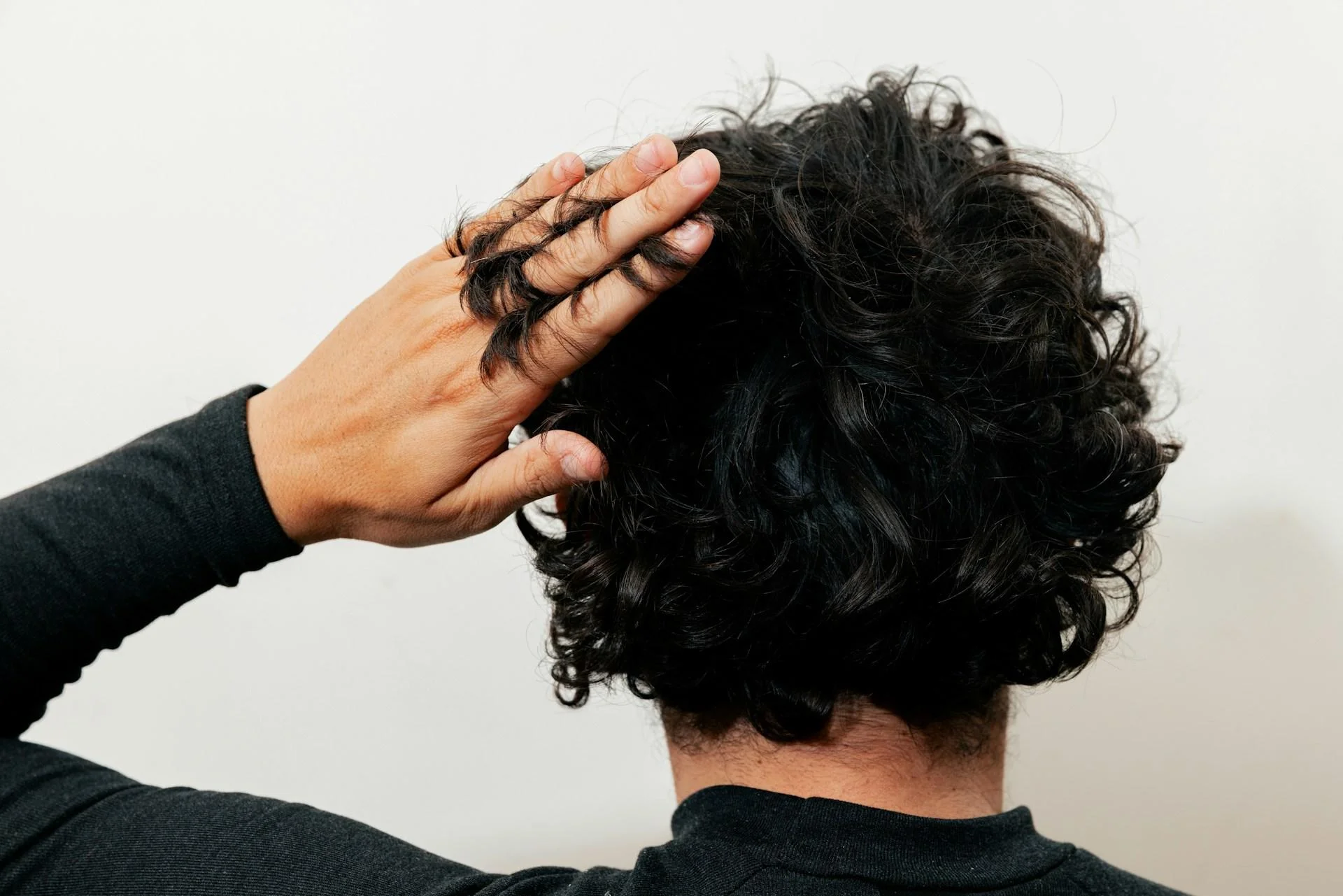
Hair Changes Don’t Start at the Surface:
A Calmer Way to Think About Hair Health

7 min read
Hero image for the blog post

Hair changes can feel personal.

They’re often one of the first things people notice when something feels off, even if they can’t immediately explain why.

For many, the first response is to search for a quick fix. A new supplement. A new shampoo. A new routine.

But hair health rarely improves through guesswork alone.

Hair thinning and shedding often reflect changes happening beneath the surface. That’s why a calmer, more targeted approach tends to be more useful than constant trial and error.

Hair Health Works on a Cycle, Not a Timeline You Can Rush

Hair Health Works on a Cycle, Not a Timeline You Can Rush illustration

Hair doesn’t respond overnight. It follows a growth cycle.

That cycle includes phases where hair grows, rests, and sheds. When the cycle is disrupted, people may notice:

  • Increased shedding
  • Thinner overall densit
  • Changes around the hairline or part
  • Slower regrowth than expected

Because hair operates on a cycle, the change you notice today can be linked to what was happening weeks or months earlier. That’s one reason panic purchases often don’t help. The timing doesn’t line up with how hair biology works

A cycle-based understanding is often the first step toward a plan that feels grounded.

Why Hair Thinning Often Gets Misunderstood

Why Hair Thinning Often Gets Misunderstood illustration

Hair thinning is often treated as a surface issue.

In reality, it’s frequently influenced by internal factors.

People usually default to product solutions because they feel immediate and controllable. But if the underlying drivers aren’t addressed, switching products can turn into a loop of frustration.

Hair health is often influenced by factors like:

  • Stress load and recovery
  • Sleep quality and consistency
  • Nutrition patterns, especially protein intake
  • Hormonal shifts and metabolic changes
  • Overall health and inflammation patterns

This doesn’t mean hair changes are always caused by one single issue. It usually means the body’s been under strain, and hair is one of the places that strain becomes visible.

A More Useful Question Than “What Should I Buy?

A More Useful Question Than “What Should I Buy? illustration

When people notice hair changes, the question usually becomes:

“What product should I use?”

A more useful question is::

“What changed?”:

“That question moves you from guessing to understanding. It also helps you identify patterns that often get missed when the focus stays on surface solutions.

Useful things to reflect on include:

  • Have stress levels increased recently?
  • Has sleep become lighter or more interrupted?
  • Has weight changed quickly or significantly?
  • Has your routine shifted in a way that affects nutrition?
  • Have hormonal symptoms changed alongside hair changes?

These aren’t meant to create anxiety. They’re meant to create clarity. Clarity leads to targeted support.

Long-Term Hair Support Focuses on Foundations

Long-Term Hair Support Focuses on Foundations illustration

Sustainable hair support usually starts with foundations.

Not because it’s trendy, but because the hair cycle responds to consistency.

A foundation-first approach to hair health typically prioritizes:

  • Reducing unnecessary guesswork and constant switching
  • Supporting recovery and stress regulation
  • Ensuring nutrition patterns support hair growth
  • Evaluating hormonal and metabolic factors when relevant
  • Building a plan that can be maintained over time

This approach tends to reduce the feeling of chaos around hair changes. Even before results, people often feel calmer because the plan finally makes sense.

What “Progress” Can Look Like With Hair Health

What “Progress” Can Look Like With Hair Health illustration

Hair health progress doesn’t always show up as immediate visible change. A more realistic early sign is that the process feels more stable.

People often notice:

  • Less anxiety around daily shedding
  • More confidence in their plan
  • More consistency in routines
  • Better understanding of what’s affecting their hair cycle

Over time, that steadiness supports better adherence. And adherence matters because hair health requires consistency.

If you’ve been dealing with hair changes, the goal isn’t to do everything at once. It’s to stop guessing and start supporting what actually influences the cycle.

That’s when hair support starts to feel calmer, more targeted, and more sustainable.

Evidence-based insights to support your wellness journey