
Semaglutide does the hardest part for you. It turns down hunger, slows how fast your stomach empties, and makes it possible to eat less without white-knuckling it. What it can't do is choose your food, lift a weight, or put you to bed. The tips below are the ones that reliably change semaglutide weight loss results, and none of them require a new gadget or a rigid plan.
Does semaglutide work without changing anything else?
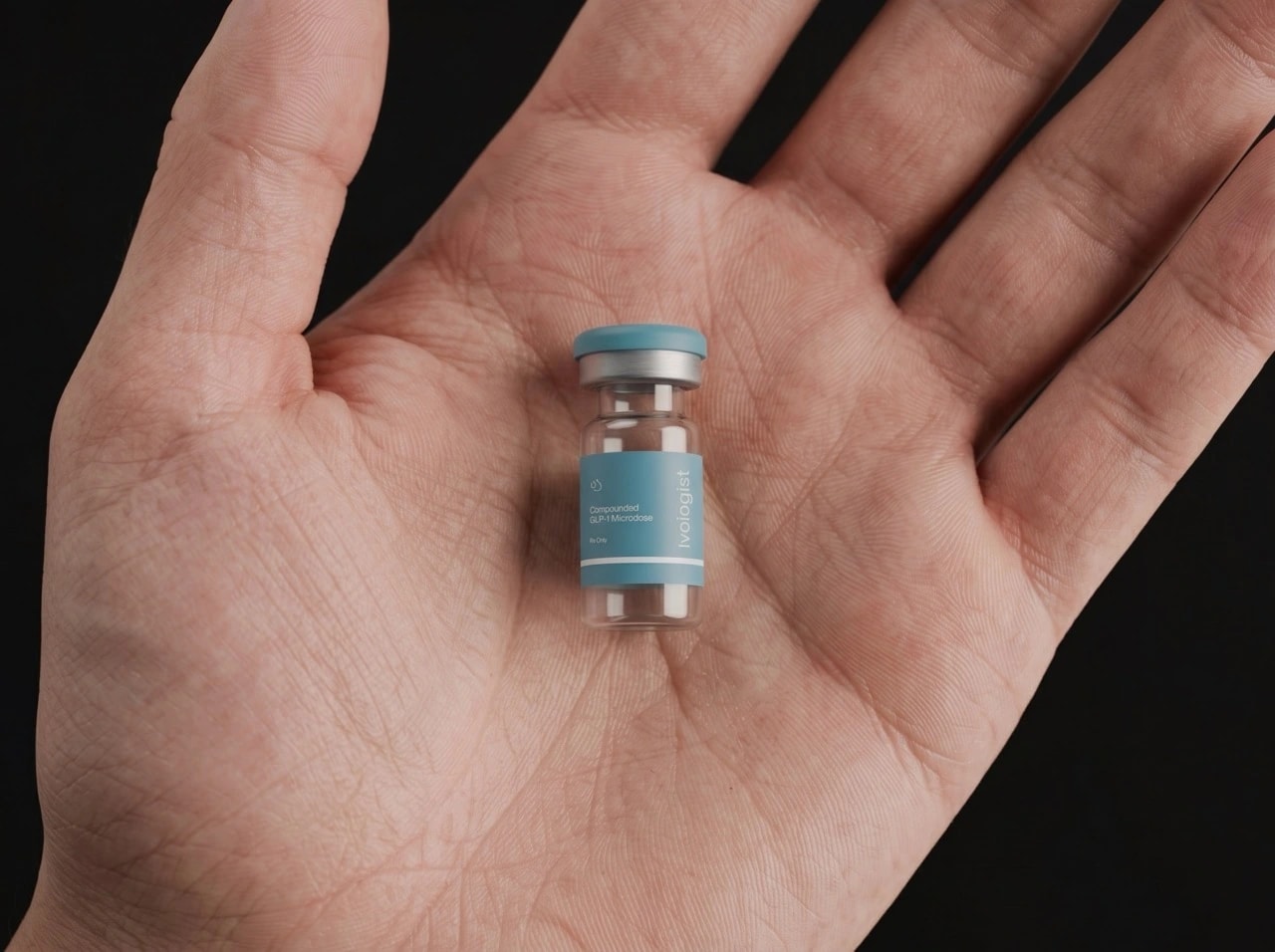
Here's the honest split between what the medication handles and what it doesn't.
| Factor | Semaglutide handles this | You handle this |
|---|---|---|
| Appetite and cravings | Yes, this is the main mechanism | - |
| Portion size at a meal | Partly, you fill up sooner | Plating and pacing still matter |
| Food quality | No | Protein, produce, whole grains |
| Keeping lean muscle | No | Resistance training and protein |
| Sleep and stress | No | Entirely on you |
| Hydration | No, and thirst cues drop | Deliberate daily intake |
Eat protein before anything else on the plate
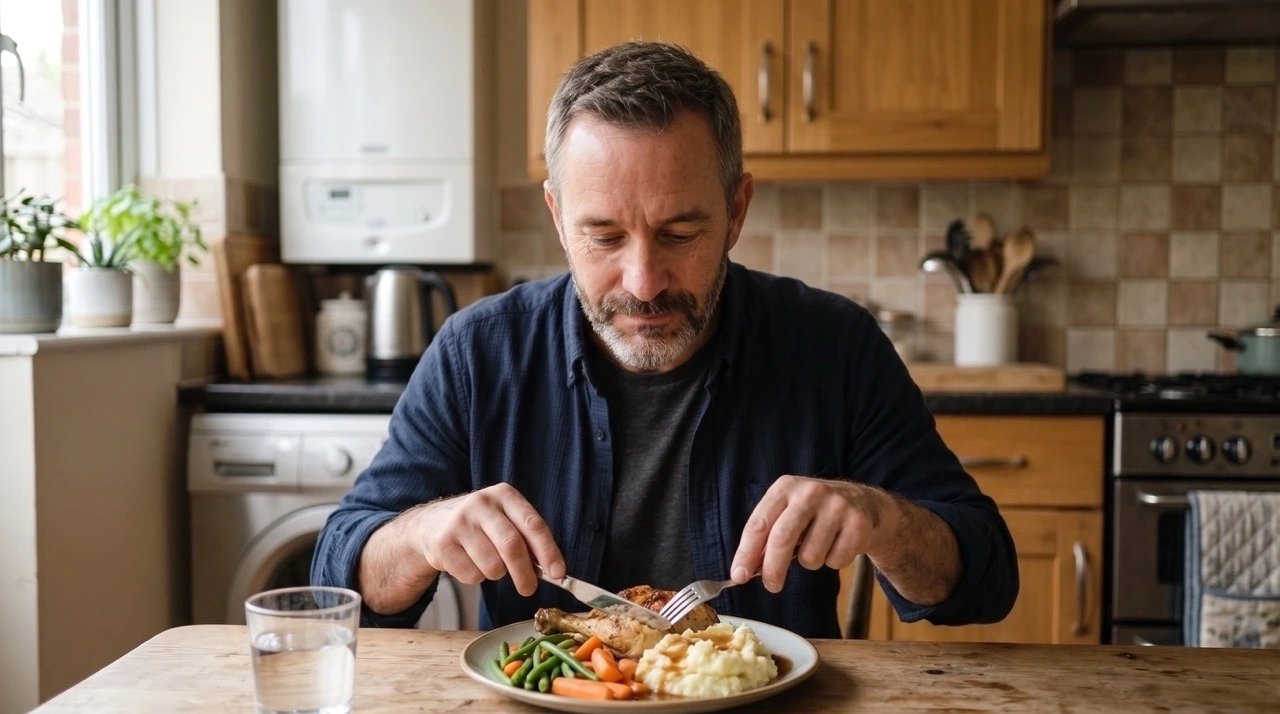
Protein is the single highest-leverage change you can make, and it gets harder to hit exactly when the medication starts working. Appetite falls, meals get smaller, and protein is usually the first thing to fall off the plate. Aim for 0.7 to 1 g per pound of your goal body weight and eat it first at every meal.
Around that, build meals from foods that carry some weight for their calories. Chicken, fish, eggs, tofu, and legumes for protein. Vegetables and fruit for fiber and volume. Whole grains like quinoa, brown rice, and oats instead of refined ones, since they keep you full longer. Processed snacks and high-fat meals aren't forbidden, they're just expensive now that you're eating a lot less overall. Our guide to the best foods that help you lose weight goes deeper on what to stock.
Train so the weight you lose is fat
Resistance training 3 or more times a week is what tells your body to keep the muscle it has while you're in a deficit. Without it, a meaningful share of what you lose is lean mass, which lowers your resting metabolism and makes the weight easier to regain later.
Cardio still earns its place. Walking, cycling, and swimming burn calories, improve mood and sleep, and are far easier to keep doing on days when energy is low. Stretching or yoga helps you keep training without picking up a nagging injury. But if you only have three sessions a week, make them resistance sessions. Our post on preventing muscle loss on GLP-1 medications covers how to structure them.

Doing everything right and still not moving?
A licensed clinician reviews your dose, your labs, and your habits together instead of guessing at one of them.
Take the assessment
Water, alcohol, and the small things that add up
Drink 80 to 100 oz of water a day. Semaglutide blunts thirst along with hunger, so you can drift into mild dehydration without noticing, and dehydration reads a lot like fatigue, headache, and constipation. Those are the same symptoms people blame on the medication. More on why in our piece on hydration as a metabolic signal on GLP-1s.
Alcohol is worth pulling back on. It's calorie-dense, it loosens your food decisions, and it worsens the nausea and dehydration you're already more prone to. Sparkling water with citrus or herbal tea covers the same ritual. If cutting it out entirely isn't realistic, set a number before you go out rather than deciding in the moment.
Common habits that quietly stall progress include:
- Eating on autopilot in front of a screen, so fullness cues never register
- Serving from oversized plates and bowls, which makes a normal portion look small
- Skipping meals entirely because appetite is low, then overeating at night
- Drinking most of your calories, including in the form of alcohol
- Weighing yourself daily and reading normal fluctuation as failure
Weigh in once a week under the same conditions, and track waist, hip, and thigh measurements alongside it. Those often move before the scale does, especially if you're training.
Sleep is doing more work than you think
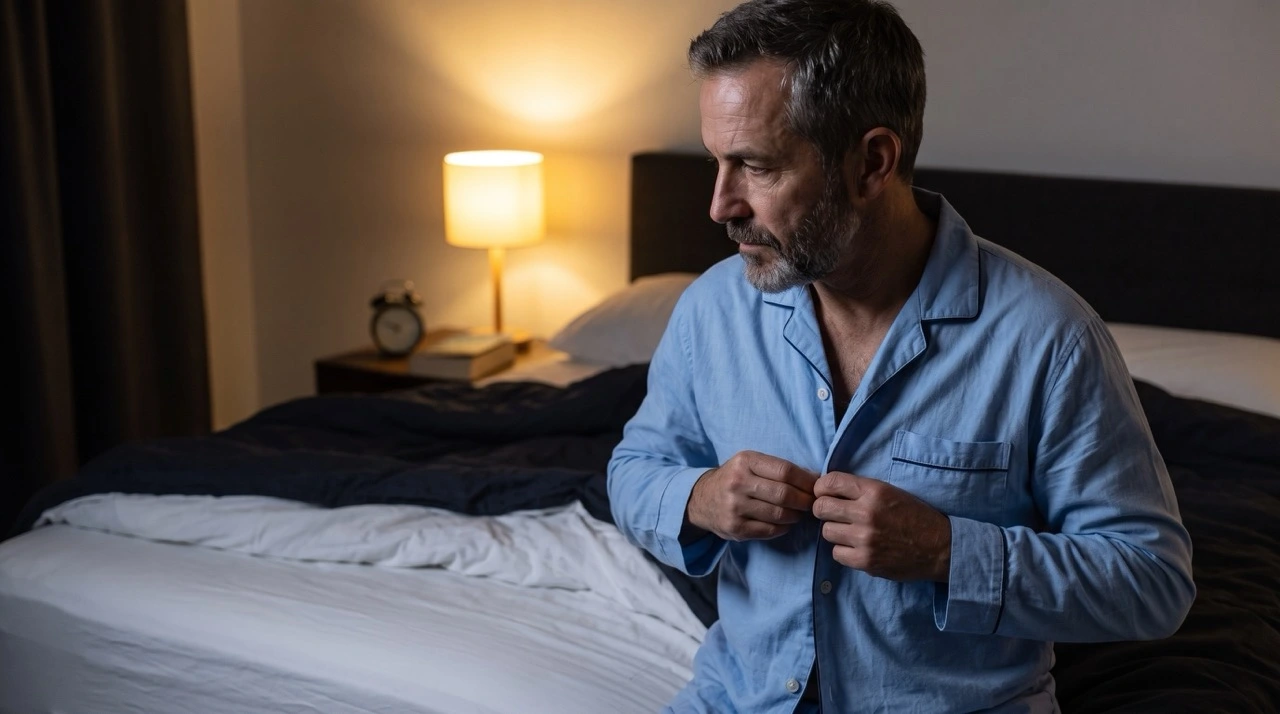
Aim for 7 to 9 hours. Short sleep shifts the hormones that govern hunger in the wrong direction, raising ghrelin, which drives appetite, and lowering leptin, which signals fullness. You end up fighting your own physiology for the exact appetite control the medication is supposed to be giving you.
It also decides whether you train. Poorly slept people skip workouts, and skipped workouts are where muscle loss starts. A consistent bedtime, a dark cool room, and no caffeine or screens in the last stretch of the evening handles most of it. We covered the mechanism in more detail in does poor sleep stop weight loss.
A week that supports the medication:
- 1. Pick your injection day and keep it. Same day, roughly the same time, every week.
- 2. Plan three resistance sessions and put them in your calendar like appointments.
- 3. Decide your protein target once, then build each meal around hitting a third of it.
- 4. Fill a water bottle you know the volume of, and finish it a set number of times a day.
- 5. Set a fixed bedtime and protect the hour before it.
- 6. Weigh and measure on one morning a week, then leave the scale alone.
Consistency beats intensity here. Six ordinary weeks in a row outperform two perfect ones followed by a month off.
Frequently Asked Questions
Where to go from here

None of this is complicated, it's just easy to let slide once the medication makes the scale move on its own. Ivologist runs weight loss as a clinician-guided program, with providers who adjust your plan based on what's actually happening rather than a fixed schedule, whether you're in San Antonio or working with us by telehealth.
Start the 2-minute assessment and a licensed clinician will review your information and recommend a starting plan.
Medical disclaimer. This article is for informational purposes only and does not constitute medical advice. GLP-1 medications are prescription-only and require evaluation by a licensed medical provider. Compounded medications are not FDA-approved. Results vary. Always consult a qualified healthcare provider before starting, changing, or stopping any treatment.