Testosterone Therapy
A 3-month, physician-supervised testosterone therapy program designed for men with lab-confirmed deficiency. Choose between injectable or topical testosterone, with consultation, diagnostic labs, and ongoing monitoring included.
Billed as a 3-month program.






Licensed providers evaluate labs, prescribe when appropriate, and monitor progress.
Choose injectable or topical testosterone based on clinician guidance and preference.
Diagnostic hormone panel and follow-up testing included.
Dosing adjusted based on labs and symptoms.
Medication shipped directly from a licensed pharmacy.
All treatment plans require medical evaluation and approval. Individual results may vary.
Take control of your health in 5 simple, affordable steps
Personalized Intake
Tell us about your health, goals, and history through a secure intake questionnaire.
Clinician Review
A licensed clinician reviews your information and determine what's right for you
Diagnostic Lab Testing
Personalized lab work is ordered after your clinical evaluation to assess hormone levels
Medication Delivered
Your prescribed medication is prepared by a partner pharmacy and shipped to your home.
Ongoing support
Your progress is monitored with follow-ups and dose refinements as needed.
Understanding Testosterone Health
A clinician-guided approach to hormone balance — not performance enhancement. Testosterone therapy is prescribed only when lab testing confirms medical necessity.
Understanding Testosterone Health
Learn about testosterone's role in men's health, signs of deficiency, and how treatment works.
Hormone Decline
Natural Decline with Age
Testosterone levels typically peak in early adulthood and gradually decline by about 1-2% per year after age 30. This is a natural part of aging for most men.
Factors Affecting Levels
Beyond age, factors like sleep quality, stress, diet, exercise, and certain medical conditions can influence testosterone production.
When to Consider Testing
If you're experiencing persistent symptoms like fatigue, reduced muscle mass, mood changes, or decreased libido, lab testing can help determine if low testosterone is a contributing factor.
Symptoms & Signals
Common Signs of Low Testosterone
These symptoms may indicate low testosterone, but can also be caused by other conditions. Lab testing is required for diagnosis.
Physical Symptoms
- Persistent fatigue or low energy
- Decreased muscle mass or strength
- Increased body fat
- Reduced physical endurance
Mental & Emotional
- Mood changes or irritability
- Difficulty concentrating
- Reduced motivation
- Decreased sense of well-being
Sexual Health
- Decreased libido
- Erectile changes
Other Signs
- Sleep disturbances
- Changes in bone density
TRT vs Alternatives
Treatment Options Compared
Your clinician will help determine the best approach based on your labs, symptoms, and goals.
Testosterone (TRT)
Direct testosterone replacement via injection or cream.
- Direct hormone replacement
- Well-studied treatment approach
- May affect natural production
- Fertility considerations
Enclomiphene
Oral medication that supports natural testosterone production.
- Supports natural production
- Oral administration (no injections)
- May preserve fertility
- Results vary by individual
Potential Benefits
Potential Benefits of Treatment
When testosterone therapy is appropriate, patients may experience improvements in various areas. Individual results vary.
Energy & Vitality
- Improved energy levels
- Better stamina
- Enhanced recovery
Body Composition
- Support for lean muscle mass
- Potential fat reduction
- Improved strength
Mood & Cognition
- Improved mood stability
- Better mental clarity
- Enhanced motivation
Overall Well-Being
- Better sleep quality
- Improved quality of life
- Enhanced daily functioning
Important Note
Results vary by individual. Testosterone therapy requires medical evaluation and is only prescribed when clinically appropriate based on lab confirmation of deficiency.
How Testosterone Affects the Body
Testosterone plays a role in muscle and bone health, energy production, mood regulation, cognitive function, and sexual health. When levels fall below normal ranges, these systems may be affected.
Physical Health
- Supports lean muscle mass
- Helps maintain bone density
- Improve physical performance
Energy & Recovery
- Improved energy levels
- Better workout recovery
- Enhanced stamina
Emotional Well-Being
- Improved mood stability
- Better focus and mental clarity
- Increased motivation
Quality of Life
- Improved overall well-being
- Better sleep patterns
- Enhanced day-to-day functioning
Designed for Safety. Guided by Clinicians.
- Medical intake and lab evaluation required
- Prescribed only when clinically appropriate
- Conservative dosing with ongoing monitoring
- Adjustments made based on labs and symptoms
Testosterone therapy is not appropriate for everyone.
Eligibility is determined by a licensed healthcare provider.

Our patients trust us because we combine real medicine with real care.

D Grace
Patient, Texas
Ridge was absolutely excellent!!! He's professional, gentle and incredibly skilled. I'm a hard stick when it comes to needles, but he got it done painlessly and his calming presenc...
Kati Kaushal
Patient, California
Faith came out today to give me some fluids. She was friendly and professional! I would highly recommend this company. I've used a few different ones and this was the best. They al...
Matthew Rothell
Patient, Ohio
Outstanding experience. I literally did didn't even leave my bed. They came up to my room since my front door unlocked (per my instructions). It eliminated waiting hours for having...
Jill Wilhite
Patient, Florida
Fridi was absolutely amazing. He was professional, knowledgeable, friendly, and an amazing human. So glad to have met him. The iv really helped my dehydrated friend.
Terri Ackenhausen
Patient
Ivologist of North Texas was a life saver for me today. Having moved back to Dallas to start work on Monday, I have been ill for 4 days and needed fluids and meds immediately! They...
Alan
Patient
I was able to make an appointment for a mobile IV with no issues and they arrived quickly. Michael did a fantastic job. He was skilled, knowledgeable and able to answer all of our ...
James Spoonts
Patient
Totally worth it. Had a relatively bad case of Influenza A, and was recommended this service by a friend. I called and was able to get an appointment same day. The provider, Ridge ...
DeRonica Lamb
Patient
I was met with professionalism by Michael. He was very knowledgeable and an expert with starting the IV. Only took one attempt which I was grateful for. I've experienced medical st...
Joni Collier
Patient
I was very sick and dehydrated. I called for an appointment and within an hour they were at my apartment. Michael was professional and great. Highly recommend!
DV Nelson
Patient
Fridi was my delivery tech, and he was outstanding—both professional and gentle with the IV needle. He also took the time to educate me on important essentials for my well-being. I...
Keara S
Patient
Highly recommend Ivologist Mobile IV! I was so impressed that they were able to get to us within two hours of calling. Before my IV, I had body aches, an itchy throat, a headache, ...
Mary P
Patient
Our IV tech was amazing and my husband felt so much better after treatment. We will definitely use this service again if the need arises.
Brian Armstrong
Patient
Fridi was very professional. He spent time to make sure we understood exactly what he was doing. We will be asking for him specifically next time. Thank you Fridi!
Angelica Villa
Patient
Fast, prompt, courteous, and professional. As a former general manager and owners IV hydration company, I will 100% support this company on their staff. We are totally in love with...
Stephanie Bolerjack
Patient
I have used a lot of mobile IV companies in DFW! Ivologist has been my favorite! They have great customer service & a wonderful team! I really enjoy visiting with them during my tr...
Max Hemphill
Patient
All five stars, six if possible. It was my family's first time getting IVs. Michael was smart, professional, and answered all our questions, making it a very positive experience. T...
Stacy Wood
Patient
Game changer! Completely turned my day around. Super professional and great bed side manner when you're feeling terrible. Highly recommend.
Leslie Ana Los
Patient
I can't recommend Ivologist enough! After an intense night, I was feeling completely drained, but Michael came through like a lifesaver. He arrived at my house within 45 minutes of...
Kat J
Patient
Maddi was great! She assisted us with very short notice. She was very prompt and professional. She made sure my daughter was comfortable with her IV prior and during. She was very ...
Kaila Schaffer
Patient
So friendly and fast! They came out so quickly as provided everything! Michael was very friendly and knowledgeable. Will definitely use them again
Kaila Schaffer
Patient
So friendly and fast! They came out so quickly as provided everything! Michael was very friendly and knowledgeable. Will definitely use them again
Caitlin Rattan
Patient
Michael was amazing!! I'm afraid of needles, but he made the experience painless. Thank you, Michael!!
Andrew Arango
Patient
Michael was awesome. Professional and very knowledgeable. Highly recommend.
Marsha Schatten
Patient
Fridi with Mobile IV Therapy North Texas is the best. He is a consummate professional and passionate about his work.
 Legitscript certified
Individual experiences vary. Testimonials reflect personal opinions and do not guarantee outcomes.
The licensed providers behind your personalized care

Dr. Utkal Patel
MD, Internal Medicine
Critical Care Medicine

Samantha Alonso
Board Certified
Family Nurse Practitioner

Dalila Tarr
FNP-BC
Nurse Practitioner

Dr. Randa Soukieh
Board Certified
Family Medicine

Dr. Rashed Alfarra
Board Certified
Internal Medicine, Nephrology and Critical Care

Carrie Ferguson
FNP, BC
Nurse Practitioner

Christina Case
AGACNP-BC
Nurse Practitioner

Yana Norman
FNP
Nurse Practitioner

Lashanda Roberts
FNP-BC, BSN, RN
Nurse Practitioner

Esther Mwaura
FNP-C, AGACNP-BC
Nurse Practitioner

Dr. Arijit Chowdhury
Board Certified
Internal Medicine

Dr. Sushil Gupta
MD, FCCP
Internal Medicine, Pulmonary & Critical Care

Tynetta Eleazer
MSN, RN, APRN, FNP-BC
Nurse Practitioner

Brandon Olinger
AGACNP-BC
Nurse Practitioner

Brenda Ballard
Integrative Health Practitioner
Health Coaching
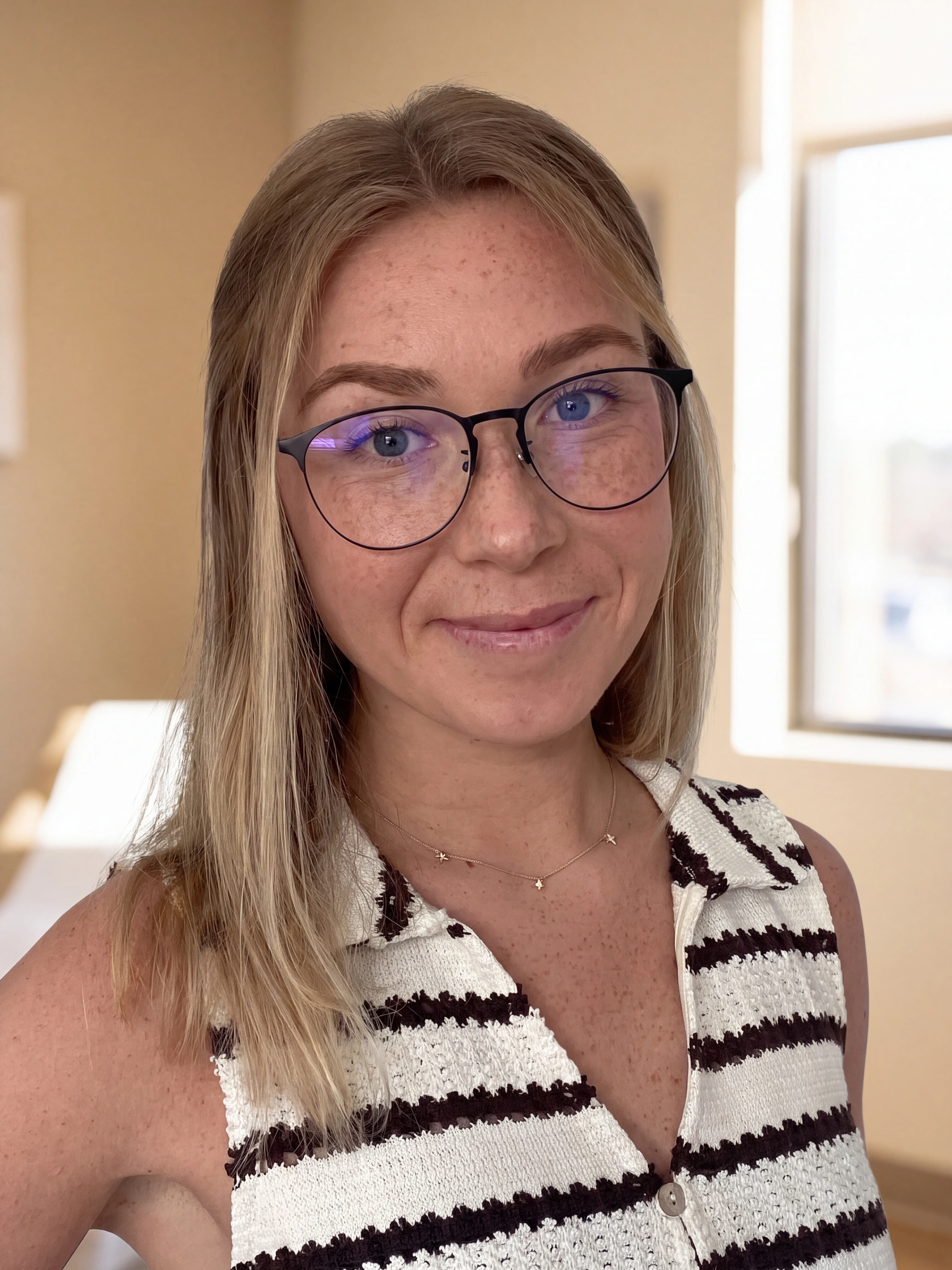
Lauren Grube
Integrative Health Practitioner
Health Coaching
Frequently Asked Questions
Get answers to commonly asked questions.
Testosterone therapy requires a medical evaluation and lab confirmation of deficiency. Eligibility is determined by a licensed healthcare provider based on symptoms, medical history, and lab results.
A comprehensive hormone panel including total testosterone, free testosterone, and other relevant markers. Follow-up labs are conducted to monitor progress.
Depending on your protocol, testosterone may be administered via subcutaneous injection or topical cream. Your clinician will recommend the best option for you.
Enclomiphene is an oral medication that supports natural testosterone production by stimulating the body's own hormone signaling pathways. It may be an option for men who prefer a non-testosterone approach.
Yes, testosterone therapy may affect fertility. This should be discussed with your provider before starting treatment. Combination therapy with Enclomiphene may be considered for fertility-conscious patients.
Still have questions? Contact us
Testosterone therapy is not appropriate for everyone. Eligibility is determined by a licensed healthcare provider based on clinical evaluation and lab results. Individual results may vary.