
Thanksgiving is a meal built for an appetite you may not have this year. On a GLP-1 you'll probably eat a fraction of what's on the table, so the healthy Thanksgiving sides for you aren't the lowest calorie ones, they're the ones that carry protein, because every bite now counts toward holding on to muscle.
What are healthy Thanksgiving sides when you're on a GLP-1?
Healthy Thanksgiving sides on a GLP-1 are the ones that bring real protein to the plate, not just fewer calories. A serving of plain mashed potatoes carries only about 3 grams, which was fine alongside a big slice of turkey and seconds, but on a small plate a starchy side takes the room protein needed, so the answer is a swap that lets the side do some of the turkey's job.

How much protein do you need on a GLP-1?
There's no single agreed number, but you likely need more protein than your appetite asks for, because the weight lost on a GLP-1 isn't all fat. A 2025 joint advisory from four obesity and nutrition societies reports that these medications cut energy intake by roughly 16% to 39% compared with placebo, and in a STEP 1 substudy about 38% of the weight lost on semaglutide was lean mass, roughly half of it muscle.
The advisory notes that 1.2 to 1.6 grams per kilogram of body weight a day has been proposed during active weight loss, with 80 to 120 grams a day as a simpler target. Your clinician can help you settle on a number, and our guide to preventing muscle loss on a GLP-1 covers the training side.

The rule: protein first, then sides that carry it
Eat your protein first, which is what the advisory suggests so you get enough before fullness sets in. A palm's worth of turkey goes on first, and if the sides carry protein too, the rest of the plate keeps adding to your total. It helps to think about the whole day, since in a small study spreading about 30 grams of protein across three meals stimulated more muscle protein synthesis than saving most of it for dinner, and Thanksgiving is about as lopsided a day as there is.
Want help building your meals around protein?
Our holistic weight management program is a 12-week, coach-led plan with protein-focused nutrition and an optional upgrade to GLP-1 care.
Explore the programSix high protein Thanksgiving recipes for the sides
Each of these healthy Thanksgiving recipes rests on one swap and serves six unless noted, with approximate protein from USDA FoodData Central values. For lighter classics, see our original healthy Thanksgiving recipes.
1. Greek yogurt mashed potatoes and cauliflower
Boil 1 pound each of Yukon Gold potatoes and cauliflower florets until soft and drain well. Off the heat, mash in 1 cup of plain nonfat Greek yogurt, 1/2 cup of grated parmesan, roasted garlic, salt and pepper.
2. White bean and rosemary mash (serves 4)
Warm two drained 15 ounce cans of cannellini beans in olive oil with garlic and rosemary, then mash with a splash of broth, lemon zest and 1/4 cup of parmesan. It takes gravy as well as potatoes do.
3. Green beans with toasted almonds and parmesan
Blanch 1 1/2 pounds of green beans for three minutes, then toss them in a hot pan with olive oil and garlic. Finish with 1/2 cup of toasted sliced almonds, 1/3 cup of parmesan and lemon, so the almonds bring the crunch the fried onions used to.
4. Lentil and quinoa stuffing
Sauté onion, celery and mushrooms with sage and thyme, fold in 2 cups each of cooked lentils and quinoa with 1/2 cup of broth, and bake at 375°F for 30 minutes. Browning 8 ounces of turkey sausage with the onions takes it from about 9 grams of protein a serving to about 16.
5. Roasted sweet potatoes with whipped cottage cheese
Roast 2 pounds of sweet potato wedges at 425°F for about 35 minutes. Blend 1 1/2 cups of cottage cheese with cinnamon and salt until smooth, spread it on a platter and pile the potatoes on top.
6. Lemony edamame with shallots
Soften two sliced shallots in olive oil, add 3 cups of frozen shelled edamame and cook for five minutes, then toss with lemon, dill and 1/4 cup of parmesan for something bright on a rich table.
| Side | Protein swap | Approx. protein per serving |
|---|---|---|
| Plain mashed potatoes | None | About 3 g |
| Greek yogurt mash | Greek yogurt and parmesan for butter and cream | About 9 g |
| White bean and rosemary mash | Beans for potatoes | About 11 g |
| Green beans with almonds | Almonds and parmesan for fried onions | About 5 g |
| Lentil and quinoa stuffing | Lentils and quinoa for bread | About 9 g (16 g with turkey sausage) |
| Sweet potatoes with cottage cheese | Cottage cheese for marshmallows | About 9 g |
| Lemony edamame | Edamame for a second starch | About 10 g |

What if you're not hungry at Thanksgiving?
If you're not hungry, eat a little of the most useful food first rather than working through a full plate, because the Wegovy and Zepbound labels both note that these medications delay gastric emptying and list nausea, vomiting and diarrhea among the most common side effects, so a large, rich meal is the one most likely to leave you unwell. A few habits help:
- Eat breakfast, because the advisory notes nausea often follows long stretches without food.
- Use a smaller plate, with turkey and a protein side on it first.
- Eat slowly and stop at the first sense of fullness.
- Take a spoonful of the richest dishes, since the advisory recommends avoiding large or high fat meals.
- Sip water through the day, as both labels warn about dehydration (see our GLP-1 hydration guide).
- Keep alcohol minimal, since it may worsen nausea and reflux.
If symptoms are severe or don't settle, call your clinician.
How do you host someone on a GLP-1?
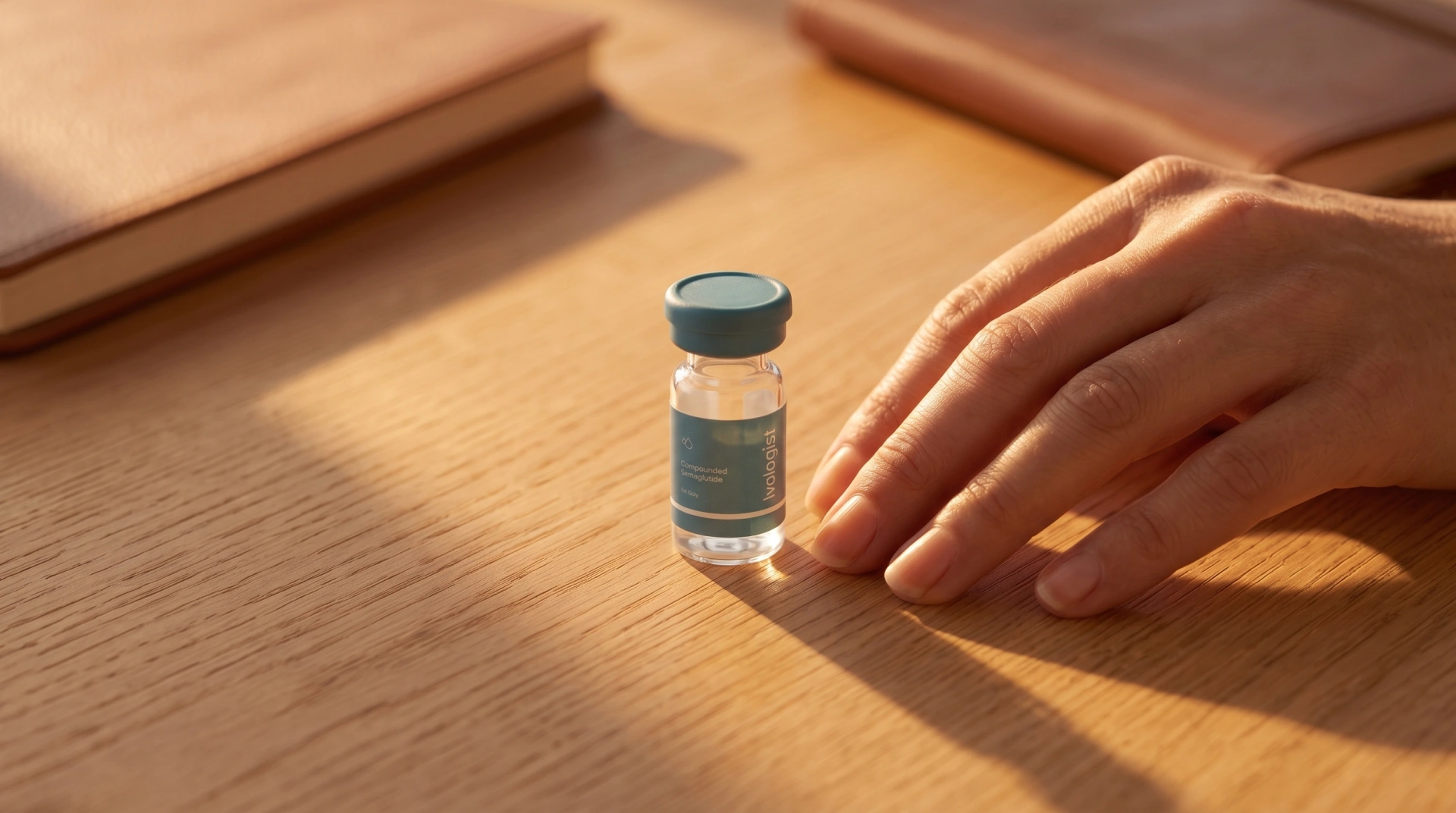
To host someone on a GLP-1, keep at least one protein side on the table and don't comment on how much they eat. A small plate isn't a verdict on your cooking, and a remark in front of the family can leave someone feeling singled out. One of the sides above gives them something substantial without having to ask, and small containers of leftovers suit a smaller appetite better than one big plate.

Frequently Asked Questions
Where to go from here
The table's still built for a bigger appetite than you've got this year, and that's fine, because the part you do eat can be the part doing the work. Ivologist's GLP-1 care is clinician-guided, with nutrition support alongside the prescription.
Start the 2-minute assessment and a licensed clinician will review your information and recommend a starting plan.
Medical disclaimer. This article is for informational purposes only and doesn't constitute medical advice. GLP-1 medications require evaluation by a licensed provider, and protein needs vary with health history, including kidney function. Results vary. Always consult a qualified healthcare provider before starting, changing, or stopping any treatment.