
Most of the conversation around GLP-1 therapy stops at the part where the weight comes off. GLP-1 maintenance is what happens next, and it's the phase that decides whether the first phase held. Here's what your body actually does after the weight changes, and what a maintenance plan looks like when it's built properly.
What happens if you just stop taking a GLP-1?
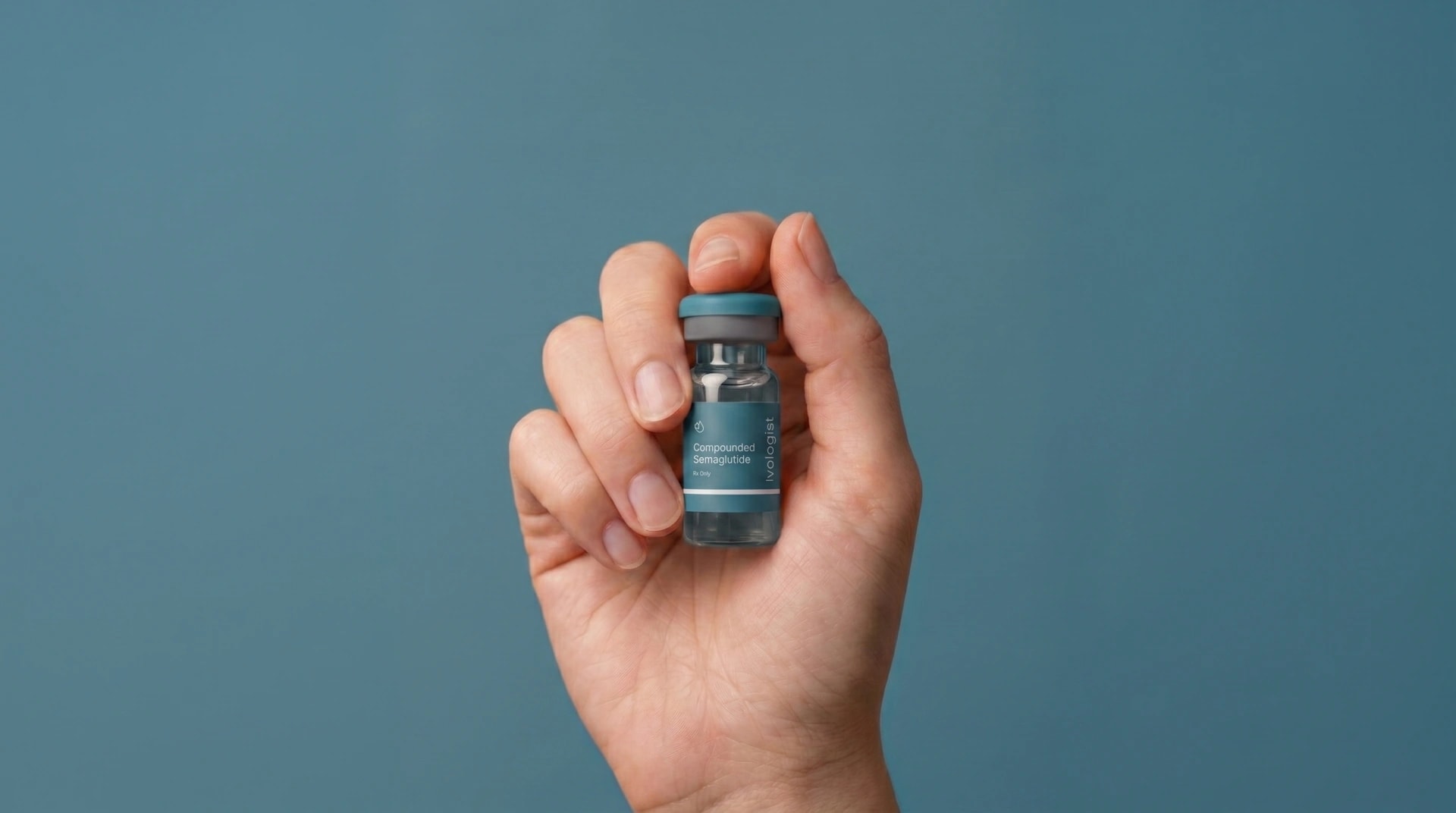
Weight regain is common. Semaglutide works by regulating appetite hormones, and that effect lasts exactly as long as the medication is in your system. It doesn't permanently reset your metabolism, retrain your hunger signals, or install a new set point. When the drug comes out, appetite comes back.
That isn't a failure of the medication and it isn't a failure of willpower. It's what the medication does. The mistake is treating the end of the weight loss phase as the end of treatment, rather than as the point where the plan needs to change. Stopping abruptly with nothing behind it is the version that tends to go badly.
Weight loss is a phase. Maintenance is a strategy.
The two phases aren't the same job. Weight loss is about initiating change, and progress is easy to see. Maintenance is about supporting stability, and progress looks much quieter. If you carry the first phase's scoreboard into the second one, a perfectly good maintenance year reads as a stall.
| Factor | Weight loss phase | Maintenance phase |
|---|---|---|
| Goal | Initiating change | Supporting stability |
| Dose direction | Stepping up on a schedule | Held, reduced, or spaced out |
| What you track | Scale weight, mostly | Metabolic markers, energy, lean mass |
| What progress feels like | Visible, fast, motivating | Quiet, steady, unremarkable |
| Main risk | Escalating too quickly | Stopping with no plan |
How your body adapts after weight changes
Your body responds to weight loss by adjusting energy use, hormone signaling, and metabolic efficiency. These adaptations are protective. They're the same machinery that kept humans alive through lean seasons, and they don't switch off because you reached a goal weight.
In practice that means your body runs efficiently on fewer calories than it used to at the same weight, output slows somewhat, and things stabilize even while appetite still feels controlled. None of that means the therapy stopped working. It means the therapy worked and your physiology adjusted, which is exactly why the plan has to adjust too.

What a real maintenance plan includes
A maintenance plan is a set of decisions about dose, monitoring, and the habits underneath both. The dose question is the one most people ask first, but it's the least useful one to answer in isolation, because the same dose does different things depending on what's happening around it.
Reached your goal and unsure what comes next?
A licensed clinician reviews where you are and builds the maintenance phase around it, rather than leaving you to guess.
Take the assessment
Why there's no single maintenance dose
Maintenance is individual, and that isn't a hedge. Metabolic history, lifestyle, stress load, and overall health all change what ongoing support should look like, so two people at the same weight can need two different plans.
For some people maintenance means a lower dose. For others it means holding steady, or spacing doses further apart, or shifting attention toward broader metabolic support. What these have in common is that the choice comes from clinical evaluation rather than assumption. Staying on your highest dose indefinitely isn't automatically the safe option, and our post on why higher GLP-1 doses aren't always better long term covers why.
A maintenance phase usually involves:
- Regular check-ins to assess response and tolerance
- Reviewing metabolic markers, not just scale weight
- Tracking appetite, energy, and how you're actually feeling week to week
- Adjusting the dose in either direction when the evidence supports it
- A deliberate plan for what happens if you come off the medication
Monitoring is the part that prevents both over-treatment and under-support. It's an active phase, not a holding pattern.
What protects the result
The medication sets the appetite ceiling. What you build underneath it determines how much of what you lost stays lost, and how much of it was muscle. In the STEP-1 trial published in NEJM in 2021, participants on semaglutide 2.4 mg lost an average of 14.9% of body weight over 68 weeks, and that was alongside lifestyle support, not instead of it. The lifestyle side matters even more once the dose stops climbing.

The four that carry the most weight:
- Protein first. Aim for 0.7 to 1 g per pound of goal body weight. Appetite is still blunted during maintenance, so this has to be deliberate.
- Resistance training three or more times a week. This is the main defence against losing lean mass. Our guide on preventing muscle loss on GLP-1 medications covers the specifics.
- Protect your sleep. Short sleep works against you independent of the medication, as our post on whether poor sleep stops weight loss explains.
- Keep hydration steady. It supports tolerance and digestion, both of which stay relevant long after the titration schedule ends.
Reframing what success looks like
Maintenance progress is undramatic by design. Stable weight, improved metabolic markers, better tolerance, and a sense of balance rather than pressure are all wins, even though none of them make for a good before and after photo.
Long-term metabolic health isn't defined by how fast weight changes. It's defined by how well the result holds, and holding is an active skill with its own habits and its own timeline.
Frequently Asked Questions
Where to go from here

The hardest part of GLP-1 therapy isn't the titration schedule. It's knowing what to do once the weight is off, and that's the point where having a clinician involved stops being optional. Ivologist runs GLP-1 care as a clinician-guided program that covers the maintenance phase, not just the first few months.
Start the 2-minute assessment and a licensed clinician will review your information and recommend a plan that fits where you actually are.
Medical disclaimer. This article is for informational purposes only and does not constitute medical advice. GLP-1 medications are prescription-only and require evaluation by a licensed medical provider. Compounded medications are not FDA-approved. Results vary. Always consult a qualified healthcare provider before starting, changing, or stopping any treatment.