Perimenopause causes itchy skin mainly because estrogen declines. Estrogen helps maintain collagen, oil (sebum) production, and the skin's moisture barrier, so as levels fall, skin becomes drier, thinner, and more prone to itching. It's a genuinely physical change, not just "dry skin" in the ordinary sense. The same hormone shift behind hot flashes and sleep changes is also reshaping your skin, which is why itching often arrives alongside other perimenopausal symptoms.
If you're trying to place where you are in the transition overall, our guide to the signs perimenopause is ending gives the broader timeline.
The estrogen-skin connection (collagen, hydration, barrier)

As all three decline together, skin loses thickness, moisture, and barrier integrity at once. A weaker barrier loses water faster and is more easily irritated, and dry, irritated skin is itchy skin. That cascade, less estrogen leading to less collagen, oil, and hydration, is the core mechanism.
Where the itching usually happens
Perimenopausal itch can show up anywhere, but common spots include the face, arms, legs, and back, areas with lots of surface exposure and, in some cases, fewer oil glands. It can be localized or feel like it's everywhere.
The vulva and vaginal area are also frequently affected, because those tissues are especially estrogen-sensitive. Itching and dryness there are part of the same hormonal picture and often respond well to targeted topical treatment.
When the itching is something else
Not every itch in your forties or fifties is hormonal. Eczema and contact allergies can flare or appear at this age, and thyroid disorders, which become more common in midlife, can cause itching and dry skin too.
Clues that it might not be purely perimenopausal include a visible rash, itching tied to a new product or fabric, or itching alongside other symptoms like fatigue, weight changes, or temperature intolerance. When the picture isn't clearly hormonal, it's worth having a provider check.
Treatment tier 1: skincare changes

Start with the basics, which resolve a lot of mild cases. Switch to a gentle, fragrance-free cleanser, moisturize while skin is still damp with a richer barrier-supporting cream (look for ingredients like ceramides, glycerin, or hyaluronic acid), and take shorter, cooler showers that strip less oil.
Avoiding harsh soaps, hot water, and known irritants reduces further barrier damage. For many women, consistent moisturizing and gentler habits meaningfully calm the itch without anything stronger.
Treatment tier 2: topical estrogen
When skincare isn't enough, topical estrogen can help, especially for localized areas. Vaginal estrogen is well established for genitourinary dryness and itching and acts mainly where it's applied, with minimal systemic absorption.
Topical estrogen for skin elsewhere is more specialized and prescribed selectively. Either way, this is a prescription approach that a provider tailors to where your symptoms are and your overall health picture.
Clinical Insight from Ivologist
When patients raise perimenopausal itching, we generally work through the ladder rather than jumping to the strongest option:
- Mild, dryness-driven itch usually responds to barrier-focused skincare and gentler habits.
- Localized itch, especially genitourinary, often does well with targeted topical estrogen.
- Widespread itch alongside other perimenopausal symptoms is where systemic HRT tends to help most.
*We also check that it really is hormonal before treating it as such. Matching the right tier to your symptoms is what the HRT program is built to do.*
Treatment tier 3: systemic HRT

For widespread itching that comes with other perimenopausal symptoms, systemic HRT, replacing estrogen throughout the body, often addresses the skin changes along with hot flashes, sleep, and mood, because it treats the underlying hormonal cause rather than just the surface.
HRT is an individualized decision that weighs your full history and goals. It's the most comprehensive option for hormone-driven skin symptoms, but it's chosen with a provider, not as a default. Our overview of how hormones shift in this phase, including whether progesterone affects weight, gives useful context on what combined HRT involves.
Wondering whether HRT could help?
A licensed clinician reviews your symptoms and labs before anything is prescribed.
Take the assessment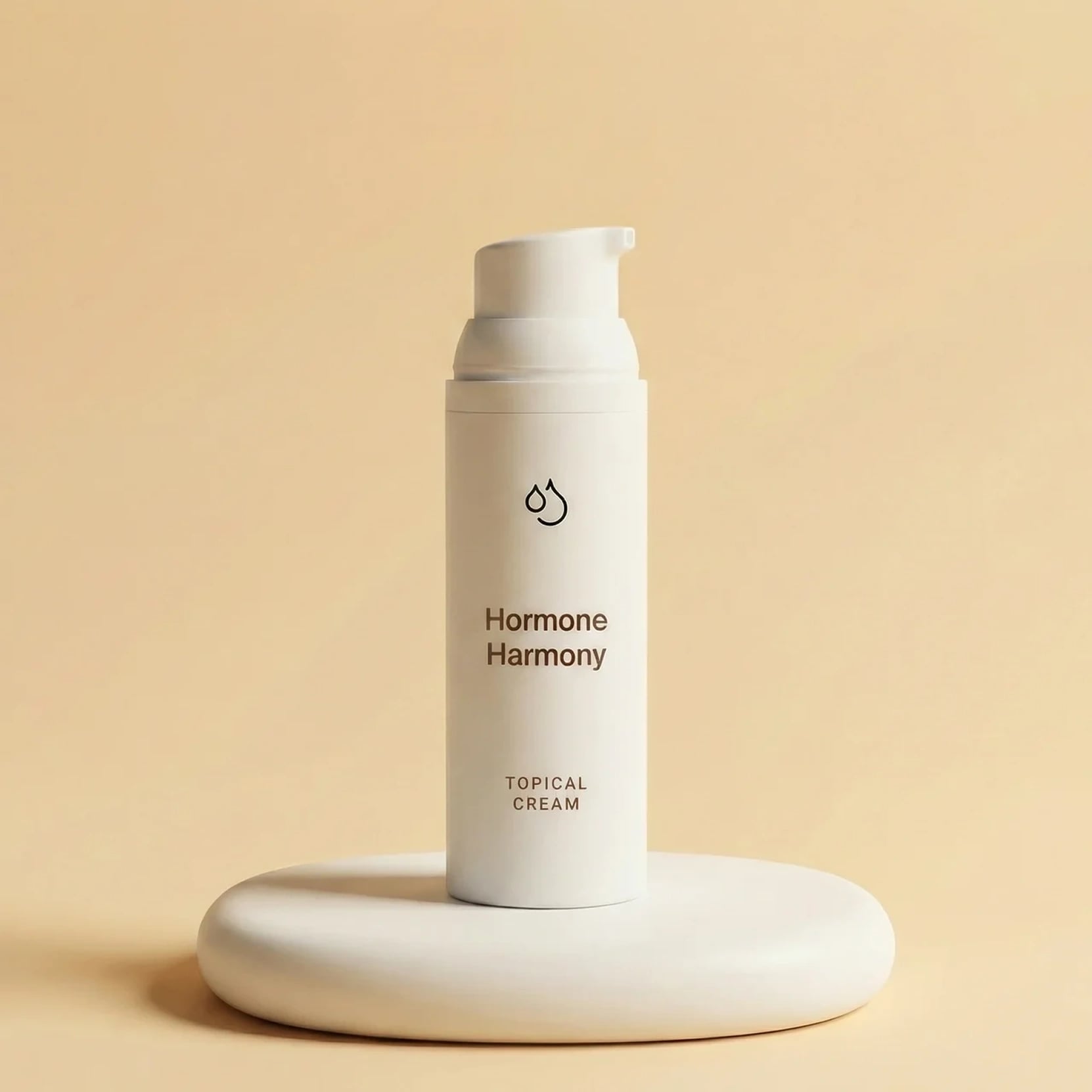
When to see a provider
See a provider if the itching is severe, persistent, all over your body, disrupts sleep, or comes with a rash or other symptoms. Those warrant evaluation to rule out eczema, allergy, thyroid issues, or other causes.
A provider can also confirm whether it's hormonal and guide you to the right treatment tier, rather than cycling through products on your own indefinitely.
Frequently Asked Questions
The bottom line on perimenopause itchy skin
Itchy skin in perimenopause is mostly an estrogen story: less estrogen means less collagen, oil, and hydration, leaving skin dry and irritable. Work the ladder, better skincare first, then topical estrogen, then systemic HRT for widespread or stubborn cases, and rule out non-hormonal causes if the picture isn't clear. Relief is very achievable once you match the treatment to the cause.
Dealing with relentless perimenopausal itch? An Ivologist clinician can help you find the right tier of treatment.
Medical disclaimer. This article is for informational purposes only and does not constitute medical advice. Always consult a qualified healthcare provider before starting any treatment.