
Semaglutide is the medication behind most of the weight loss and diabetes headlines of the last few years, and most people run into the name long before they get a straight explanation of it. This is that explanation: what semaglutide actually is, how it works inside your body, what it's approved to treat, and what taking it is like week to week.
What is semaglutide?
The difference is how long it lasts. Your own GLP-1 breaks down within minutes of being released. Semaglutide is built to resist that breakdown and has a half-life of about a week, which is why one injection covers seven days. That's the entire reason this class of drug works where earlier attempts didn't.
You'll see semaglutide sold under three brand names, all made by Novo Nordisk, all containing the same molecule.
| Factor | Ozempic | Wegovy | Rybelsus |
|---|---|---|---|
| Active ingredient | Semaglutide | Semaglutide | Semaglutide |
| Form | Weekly injection | Weekly injection | Daily tablet |
| FDA-approved for | Type 2 diabetes, and reducing cardiovascular risk in adults with type 2 diabetes and known heart disease | Chronic weight management | Type 2 diabetes |
| First approved | 2017 | 2021 | 2019 |
| Typical dose range | 0.25 to 2 mg weekly | 0.25 to 2.4 mg weekly | 3 to 14 mg daily |
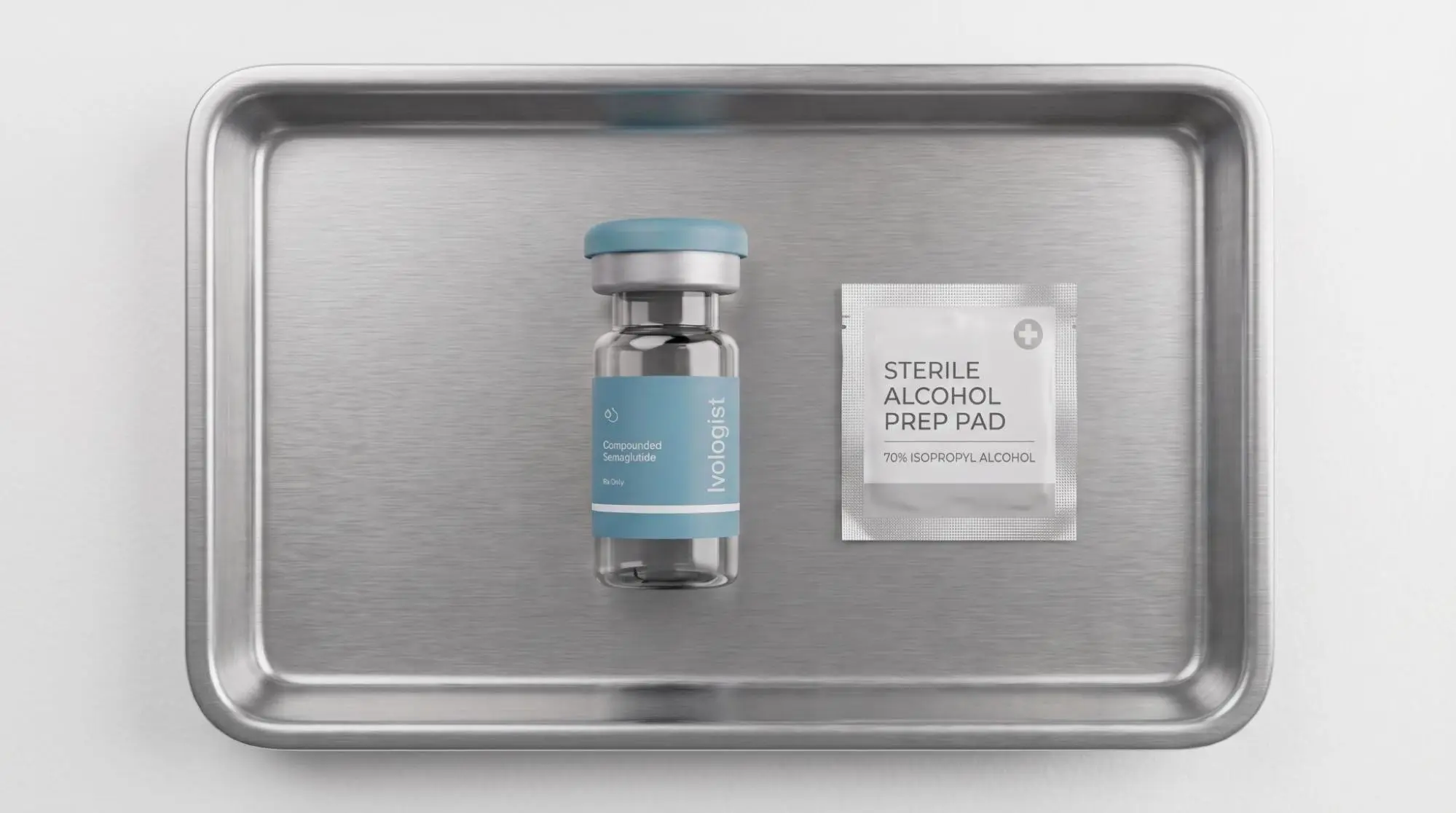
There's a fourth version you'll hear about: compounded semaglutide, prepared by a licensed compounding pharmacy rather than a manufacturer. It uses the same active ingredient but isn't FDA-approved, which changes who's responsible for quality. Our compounded semaglutide dosage chart covers how that version is dosed.
How does semaglutide work?
Semaglutide works on four systems at the same time, and the combination is what makes it effective rather than any single mechanism.
It prompts your pancreas to release insulin, but only when blood glucose is actually elevated. That glucose dependence is important, because it's why semaglutide on its own rarely causes low blood sugar the way older diabetes drugs could. At the same time it suppresses glucagon, the hormone that tells your liver to dump stored glucose into your bloodstream.
The other two effects are the ones you feel. Semaglutide slows how quickly food leaves your stomach, so you stay full longer after a normal-sized meal. And it acts directly on appetite centres in the hypothalamus, which is why food noise quiets down and portions shrink without much conscious effort.
What is semaglutide used for?

Semaglutide has three established uses, and which one applies to you determines the brand, the dose, and how your progress gets measured.
Blood sugar control. This was the original indication. In type 2 diabetes, semaglutide lowers both fasting and post-meal glucose, and it's usually assessed by the change in your HbA1c over three to six months.
Weight management. In the STEP-1 trial published in the New England Journal of Medicine in 2021, adults with overweight or obesity taking semaglutide 2.4 mg weekly alongside lifestyle support lost an average of 14.9% of body weight over 68 weeks, against 2.4% in the placebo group. That result is why Wegovy exists as a separate product.
Cardiovascular risk. In SUSTAIN-6, published in the same journal in 2016, adults with type 2 diabetes at high cardiovascular risk had roughly 26% fewer events in the trial's combined outcome of cardiovascular death, non-fatal heart attack, and non-fatal stroke.
Wondering whether semaglutide is right for you?
A licensed clinician reviews your history, labs, and goals before anything is prescribed.
Take the assessment
Side effects and safety
Most semaglutide side effects are gastrointestinal, and they're a direct consequence of the drug slowing your stomach down. According to the FDA prescribing information for Wegovy, nausea is the most commonly reported one. Symptoms are usually worst in the days after a dose increase and settle as your system adapts, which is why doses step up slowly over months rather than weeks.
Common side effects include:
- Nausea, particularly in the first week after a dose increase
- Constipation or diarrhoea
- Vomiting, usually early on and usually mild
- Reduced appetite and feeling full much sooner than you're used to
- Fatigue or mild headaches during the first few weeks
- Redness or soreness at the injection site
Smaller meals, lower-fat food choices, and staying properly hydrated make a real difference. Call your provider if you can't keep fluids down, or if you develop severe abdominal pain that doesn't ease, since pancreatitis is a rare but serious concern with this class of medication.
How semaglutide is prescribed and taken
Semaglutide is prescription-only everywhere it's available, and the injectable forms are given under the skin once a week on the same day each week. You inject into the abdomen, outer thigh, or upper arm, rotating the site each time.
Nobody starts at a full dose. Standard protocols begin at 0.25 mg weekly and step up roughly every four weeks, which gives your gut time to adapt before the therapeutic range begins. Skipping ahead doesn't speed up results, it just makes the first months miserable. If you want the mechanics of the injection itself, see our guide on how and where to inject semaglutide.
What a typical first year looks like:
- An evaluation with a licensed clinician, including your history, current medications, and usually baseline labs.
- A starting dose of 0.25 mg weekly for the first four weeks, which is about tolerance rather than results.
- Step-ups roughly every four weeks, held longer if side effects are still settling.
- A maintenance dose once appetite control is steady and side effects are manageable.
- Regular check-ins to review progress, side effects, and whether the dose still fits.
Who semaglutide isn't for
Semaglutide is contraindicated if you have a personal or family history of medullary thyroid carcinoma, or multiple endocrine neoplasia syndrome type 2. It isn't used in pregnancy, and a history of pancreatitis calls for real caution and a proper conversation with your provider.
It also isn't a standalone answer. The medication sets an appetite ceiling. Protein intake, resistance training, and sleep decide how much of what you lose is fat rather than muscle, and none of that is optional.

Frequently Asked Questions
Where to go from here
Semaglutide is well studied and genuinely effective, but the outcome depends on the dose being matched to you and adjusted as you go. Ivologist runs GLP-1 therapy as a clinician-guided program with transparent pricing and proper monitoring, not a prescription mailed out and forgotten.
Start the 2-minute assessment and a licensed clinician will review your information and recommend a starting plan.
Medical disclaimer. This article is for informational purposes only and does not constitute medical advice. GLP-1 medications are prescription-only and require evaluation by a licensed medical provider. Compounded medications are not FDA-approved. Results vary. Always consult a qualified healthcare provider before starting, changing, or stopping any treatment.


