
TRT for women is testosterone replacement therapy prescribed to women, at much lower doses than men receive, to address symptoms linked to low testosterone such as reduced libido, low energy, and changes in mood or muscle. In the US, it's used off-label.
The idea surprises some people, because testosterone is thought of as a male hormone. But women produce testosterone too, and it matters for several aspects of health. The therapy aims to restore it to a healthy female range, not to masculinize.
For a sense of how testosterone therapy unfolds over time generally, our timeline on how long testosterone takes to work gives useful context, though women's dosing differs substantially.
What is TRT for women?
The idea surprises some people, because testosterone is thought of as a male hormone. But women produce testosterone too, and it matters for several aspects of health. The therapy aims to restore it to a healthy female range, not to masculinize.
For a sense of how testosterone therapy unfolds over time generally, our timeline on how long testosterone takes to work gives useful context, though women's dosing differs substantially.
Why women need testosterone too

Testosterone is a normal and necessary hormone in women, produced by the ovaries and adrenal glands, just in far smaller amounts than in men. It contributes to sexual desire, energy, mood, bone density, and the maintenance of lean muscle.
Levels naturally decline with age, and that decline can contribute to symptoms some women experience in midlife. Recognizing testosterone as part of female physiology is the foundation for understanding why replacing it can help in certain cases.
Symptoms of low testosterone in women
The most commonly cited symptom is low sexual desire that causes distress. Others reported include persistent fatigue, low mood, reduced motivation, and difficulty maintaining muscle tone despite exercise.
These symptoms overlap with many other conditions, including thyroid issues, perimenopause, and depression, which is exactly why evaluation matters. Low testosterone is one possible contributor among several, not an automatic diagnosis.
How testosterone is dosed for women (vs men)
| Factor | Women | Men |
|---|---|---|
| Dose | Much lower (a fraction of male doses) | Full replacement doses |
| Goal | Restore healthy female range | Restore healthy male range |
| FDA approval (US) | Off-label | Approved for diagnosed deficiency |
| Monitoring | Careful, to avoid excess | Routine |
The dosing difference is the single most important point. Women need only a small fraction of a male dose, and the goal is to stay within a healthy female range. Overdosing is what risks unwanted effects, which is why precise, low dosing and monitoring are essential.
Delivery methods: cream, pellet, injection
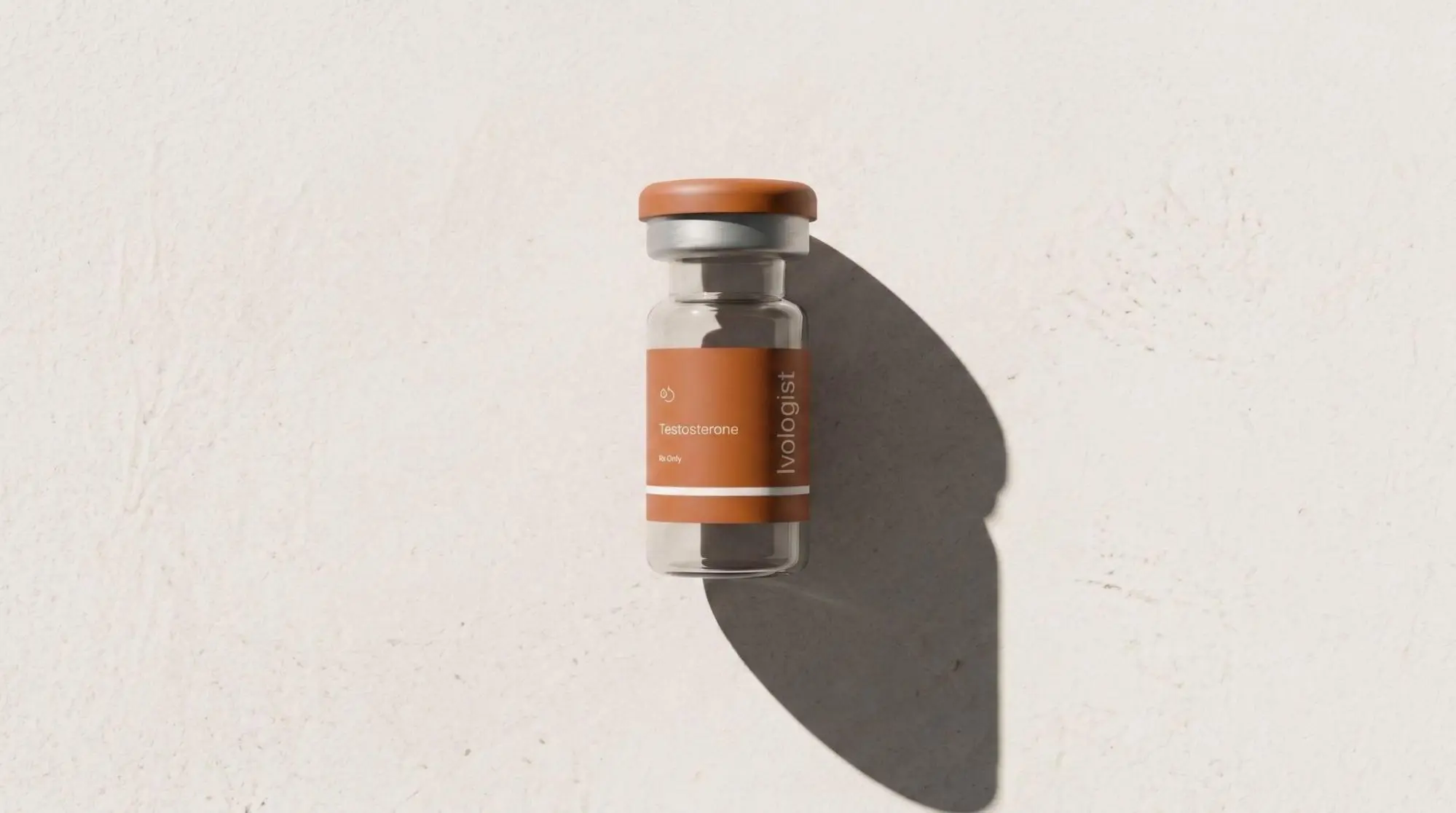
Creams and gels applied to the skin allow flexible, low daily dosing and are a common choice for women. Pellets, inserted under the skin, release testosterone over months but are harder to adjust once placed. Injections are also used, though dosing must be carefully scaled down for women.
The best method depends on your preferences and how easily the dose can be controlled. Because women's doses are so small, methods that allow fine adjustment are often preferred.
What the research shows (libido, energy, muscle)

The strongest evidence is for libido: studies support testosterone therapy for postmenopausal women with distressing low sexual desire, where it can produce a meaningful improvement. Major position statements recognize this specific use.
Benefits for energy, mood, and muscle are frequently reported by patients but have a weaker evidence base than the libido data. They may be real for some women, but they're less firmly established, which is worth knowing when setting expectations.
Clinical Insight from Ivologist
For women considering testosterone therapy, we focus on a few things:
- Confirming symptoms and ruling out other causes like thyroid issues or perimenopause before attributing them to low testosterone.
- Using the lowest effective dose to stay within a healthy female range, with monitoring to avoid excess.
- Setting realistic expectations, since the evidence is strongest for libido and more modest for energy and muscle.
*Because this is low-dose, off-label, and nuanced, it really does require a knowledgeable provider. We handle female testosterone therapy carefully through the TRT program, with proper evaluation and monitoring.*
Wondering whether TRT is right for you?
A licensed clinician reviews your labs and symptoms before anything is prescribed.
Take the assessment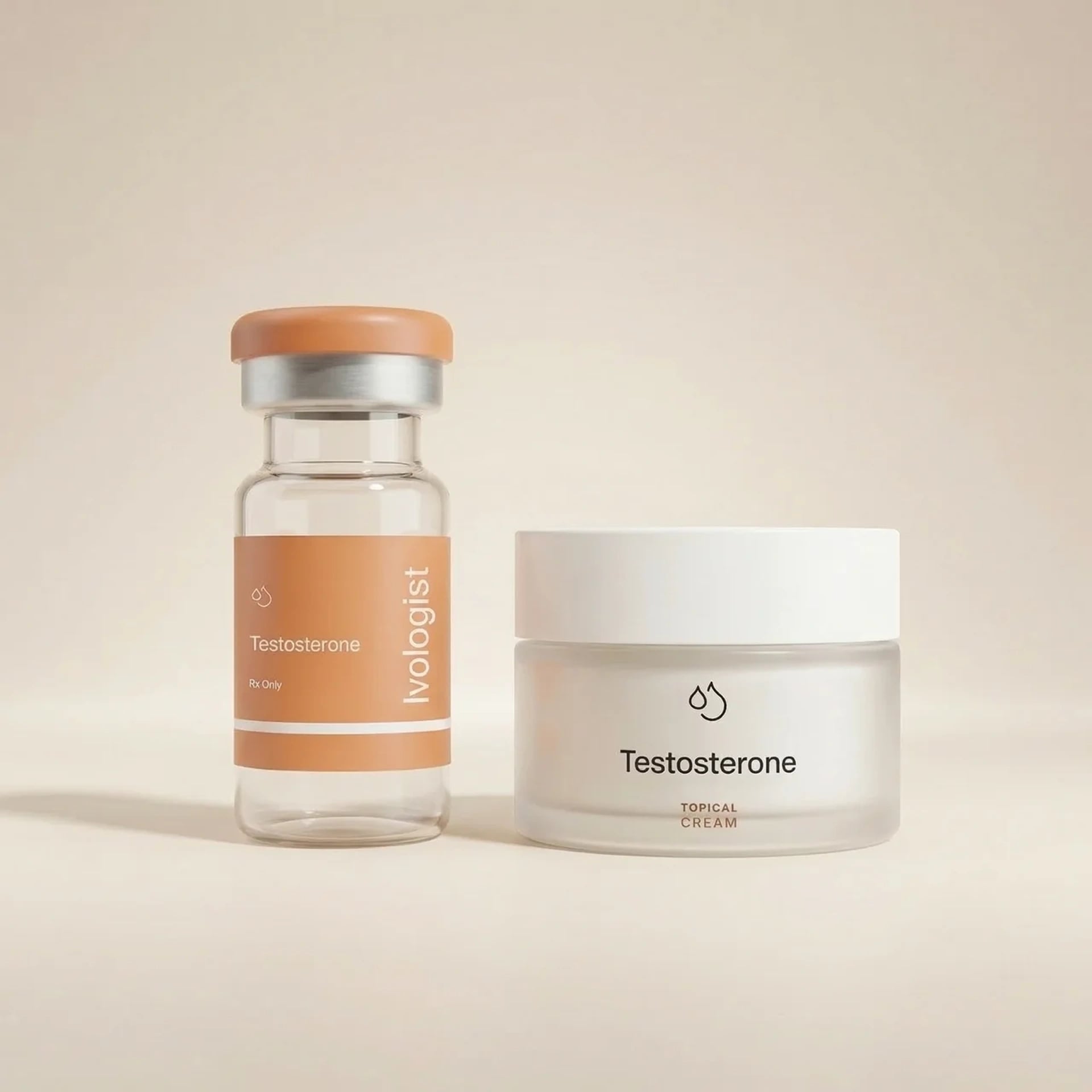
Risks and side effects
At appropriate low doses, testosterone is generally well tolerated in women. Side effects, when they occur, are usually dose-related and may include acne or unwanted hair growth; more pronounced effects like voice changes are associated with excessive dosing, not properly managed therapy.
This is why dosing and monitoring are central. Kept within a healthy female range, the risk of masculinizing effects is low; the problems arise when doses are too high or unmonitored.
Is TRT for women FDA-approved?
No. In the US, there is no testosterone product specifically FDA-approved for women, so its use is off-label. Off-label doesn't mean unsafe or improper; it means a provider is prescribing an approved medication for a use outside its official labeling, which is common and legal in medicine.
What it does mean is that women's testosterone therapy should be handled by a provider experienced with it, using appropriate dosing and monitoring rather than guesswork. Our overview of the benefits of testosterone replacement therapy gives broader background, and we cover the female-specific considerations in our testosterone therapy for women resource.
When to consider TRT as a woman

It's worth considering if you have persistent, distressing symptoms, especially low libido, that aren't explained by other causes, and after an evaluation that includes appropriate testing and a review of your overall health.
It's not a first-line fix for general fatigue or a substitute for addressing other issues like thyroid function, sleep, or perimenopause. The right candidate is someone whose symptoms and workup point to low testosterone as a genuine contributor.
Frequently Asked Questions
The bottom line on TRT for women
Women need testosterone too, and replacing it can help, most clearly for distressing low libido in postmenopausal women, with reported but less established benefits for energy and muscle. The keys are low dosing within a healthy female range, appropriate delivery, and monitoring, all under a provider experienced with off-label use. Done right, it's a nuanced but legitimate option for the right candidate.
Wondering whether testosterone therapy fits your symptoms? An Ivologist clinician can evaluate whether it's appropriate for you.
Medical disclaimer. This article is for informational purposes only and does not constitute medical advice. Always consult a qualified healthcare provider before starting any treatment.