What Is GLP-1 Microdosing? A Smarter, More Sustainable Path for Metabolic Optimization

8 min read
Hero image for the blog post

The Desire for Presence Over Fatigue

It’s Sunday afternoon. The house is full—perhaps kids are running through the hall, or parents are chatting at the table. You want to be the steady center of it all, matching their energy laugh for laugh.

But often, instead of feeling present, you feel a familiar drag. A physical heaviness that makes you want to retreat rather than engage.

For many in midlife, this is the defining struggle. It isn’t just about the number on the scale; it is the frustrating feeling of being "stuck." You crave steadiness. You want the vitality to handle your responsibilities without burning out. Yet, traditional advice often tells you to restrict more and push harder.

At Ivologist, we believe that midlife does not have to be defined by a decline in energy or function. Instead, we see it as an opportunity for the expansion of vitality.


Shifting the Goal: Metabolic Restoration

For too long, the conversation around metabolic health has focused heavily on weight loss alone. We believe the focus should shift toward a broader, more empowering goal: Metabolic Restoration.

While GLP-1 receptor agonists have introduced new possibilities in medicine, traditional protocols often rely on rapid titration and high-dose exposure. For some individuals, this approach may contradict the goal of optimal wellness by placing significant stress on the body.

We believe medical-grade care should restore you, not exhaust you. This is the philosophy behind GLP-1 Microdosing.

What Is Microdosing? (A Smarter Approach)

What Is Microdosing? (A Smarter Approach) illustration

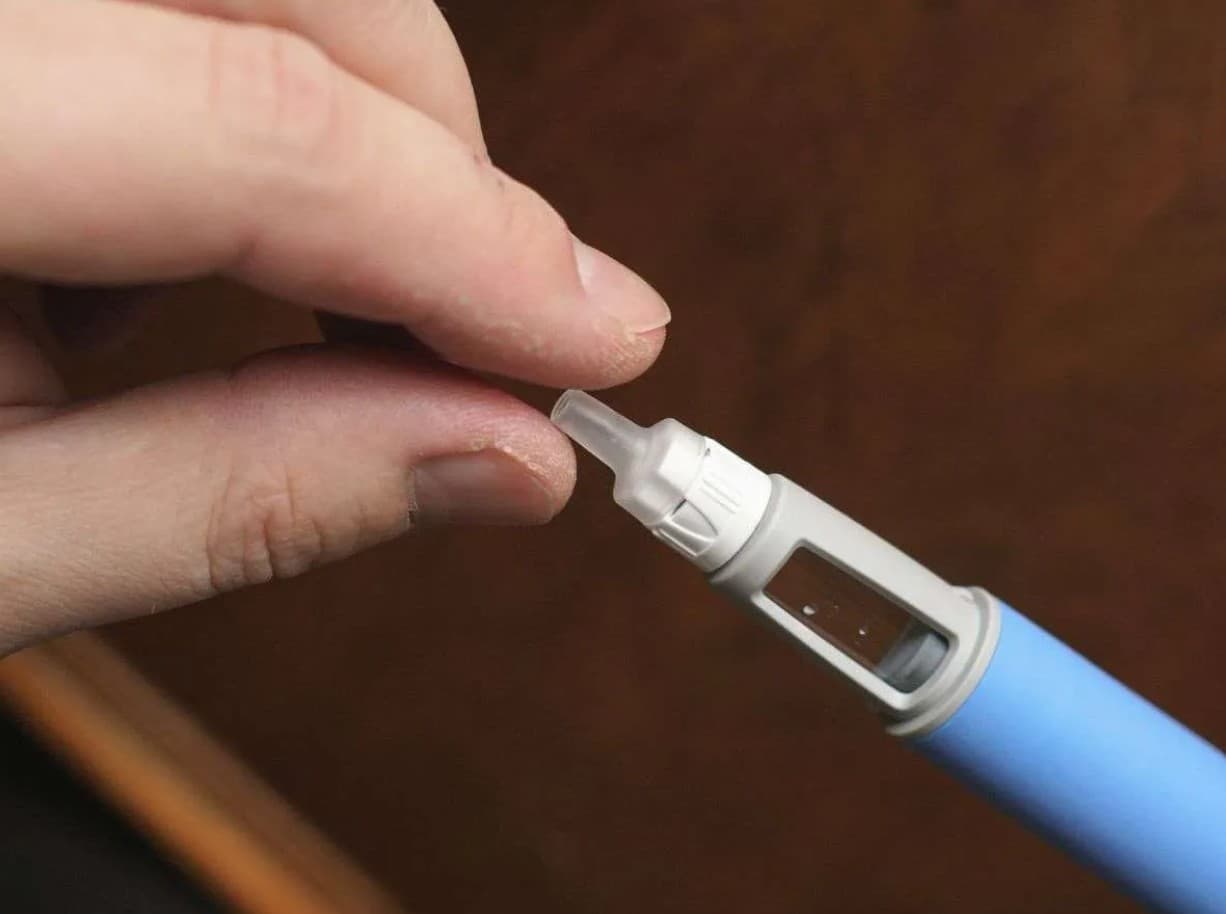
Microdosing is a precise, clinician-guided strategy of fractional, incremental exposure. Unlike traditional protocols that may introduce higher doses rapidly, microdosing is designed to introduce therapeutic agents gently. This method aims to allow physiological adaptation without the systemic stress often associated with standard titration schedules.

The objective is not suppression; it is metabolic training. The goal is to support the metabolism in learning to manage energy efficiency again, rather than forcing it into a reactive state.

Why "More" Is Not Always "Better"

Why "More" Is Not Always "Better" illustration

This approach is gaining attention globally as clinicians and patients seek more sustainable methods of care. In traditional therapies, rapid high-dose exposure may lead to receptor fatigue—a state where the body’s receptors may become overstimulated and less responsive over time. This is often a contributing factor to the common "plateau." Microdosing is designed to support "Metabolic Calm," aiming to keep receptors sensitive and responsive. This approach transforms metabolic therapy from a short-term intervention into a tool designed for long-term support and biologic independence.

Understanding the Plateau

As more individuals use GLP-1 therapies, a common concern emerges: “Why am I not losing weight like before? Did the medication stop working?”

In most cases, the answer is no—the body simply adapts. GLP-1 receptors, like all biological systems, can become accustomed to a repeated high signal. When the same high dose is used continuously, the body may shift into an efficiency mode, where responsiveness levels off and progress slows.

As our clinician explains:

“When progress slows, it doesn’t mean the medication stopped working. It often means the body became very good at adapting and needs a different rhythm, not a higher dose.”

This is precisely where microdosing offers value. By adjusting the rhythm and intensity of GLP-1 signaling rather than escalating the dose, microdosing is designed to support receptor sensitivity.

The Science of Early Metabolic Adaptation (EMA)

The Science of Early Metabolic Adaptation (EMA) illustration

The potential benefits of microdosing are rooted in a physiological window we call Early Metabolic Adaptation (EMA). This refers to the initial phase of recalibration where neural and hormonal circuits begin to reset.

A microdosing schedule is designed to support the body through three distinct phases:

Phase I: Gut-Brain Support
This phase focuses on supporting the communication between the digestive system and the brain, helping to regulate appetite signals naturally.

Phase II: Insulin Stability
The goal is to support healthy fasting glucose levels and improve insulin sensitivity, which may help stabilize energy throughout the day.

Phase III: Fat Utilization Shift
This phase aims to support mitochondrial function, encouraging the body to optimize how it uses fat for fuel.

Listening to Your Body’s Signals

Listening to Your Body’s Signals illustration

Tolerance: Why Nausea Matters

A common challenge with metabolic therapy is gastrointestinal discomfort. In the context of microdosing, we view symptoms like nausea not as a necessary barrier, but as a signal of receptor adjustment. It often indicates that receptors are being stimulated faster than they can adapt.

By utilizing a microdosing approach, clinicians can tailor the dose to an individual's unique adaptation speed. The goal is to minimize receptor overstimulation, which may result in fewer disruptions to daily life and improved adherence to the program.

The Inflammation Connection

Effective metabolic care must also address the environment in which our cells function. Metabolic dysregulation is often linked to Chronic Inflammation, which acts like a "low-grade fire" in the body.

Emerging science suggests that GLP-1 therapies may act as immunomodulators. When used responsibly under clinician guidance, microdosing may help support the regulation of inflammatory markers, addressing the underlying environment that can make metabolic progress difficult.

Prioritizing Your Vitality

Prioritizing Your Vitality illustration

We believe that optimal health is a right, not a luxury. You shouldn't have to choose between effective care and feeling like yourself. By choosing a path focused on restoration rather than restriction, you are investing in a future where you feel supported, energized, and metabolically optimized.

Follow Ivologist for upcoming insights into responsible, clinician-guided metabolic care.

Disclaimer

The information provided here is for educational purposes only and does not constitute medical advice, diagnosis, or treatment. Individual results vary. Always consult with a licensed healthcare provider to determine the best treatment plan for your specific needs.

From the Ivologist Journal

Thoughts, tips, and clinical advice from the people who help you feel better, faster.